
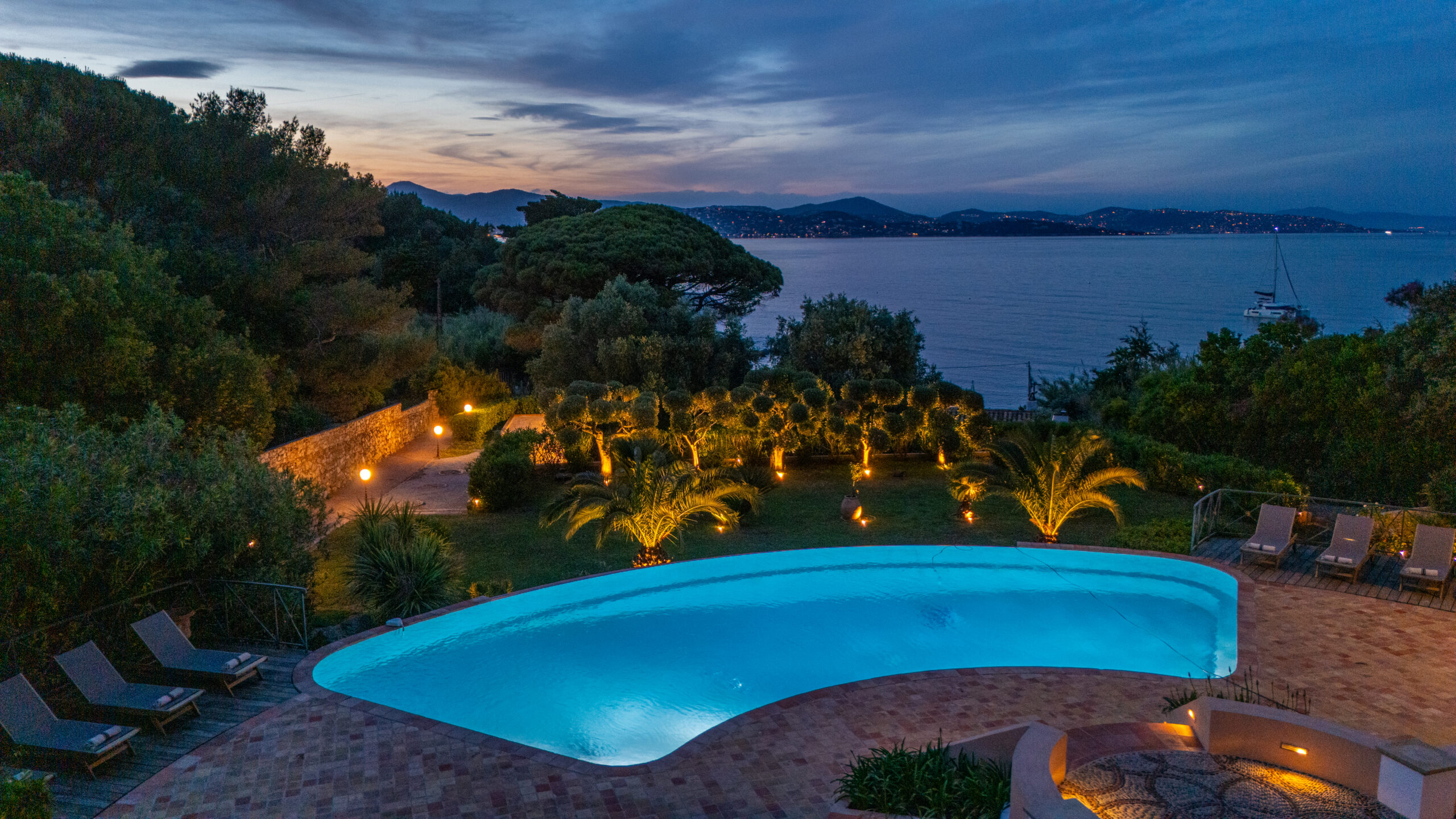
Inside a Luxury Vacation Week on the French Riviera: How It's Composed
An exceptional week on the Riviera is not a single purchase but a composition — a villa, a yacht, a chef, a concierge, and a series of days that flow into one another without effort. Here is how the pieces fit.
The foundation: the villa
Everything begins with the house. A serviced villa — the right address, the right size, the right amenities — is the stage on which the week unfolds, and usually its largest single element. For the figures, see our guide to villa rental costs.
The days on the water
At least one day belongs to the sea — a day cruise to the islands, or a longer charter along the coast. The water reframes the whole stay, and a swim at anchor is, for many, the week’s defining hour.
The table and the experiences
A private chef turns the villa into the best restaurant on the coast, while the days are punctuated by what you love — a beach club lunch, a wine estate, a museum visited privately, a wellness session on the terrace. The week is built around your tastes, not a template.
The thread that holds it together
What makes it seamless is the concierge — one office securing the villa, the yacht, the chef and the experiences, and choreographing the days so that nothing ever clashes or waits. The result feels spontaneous precisely because it was planned with such care.
Tell us how you like to travel, and we will compose the week around you.

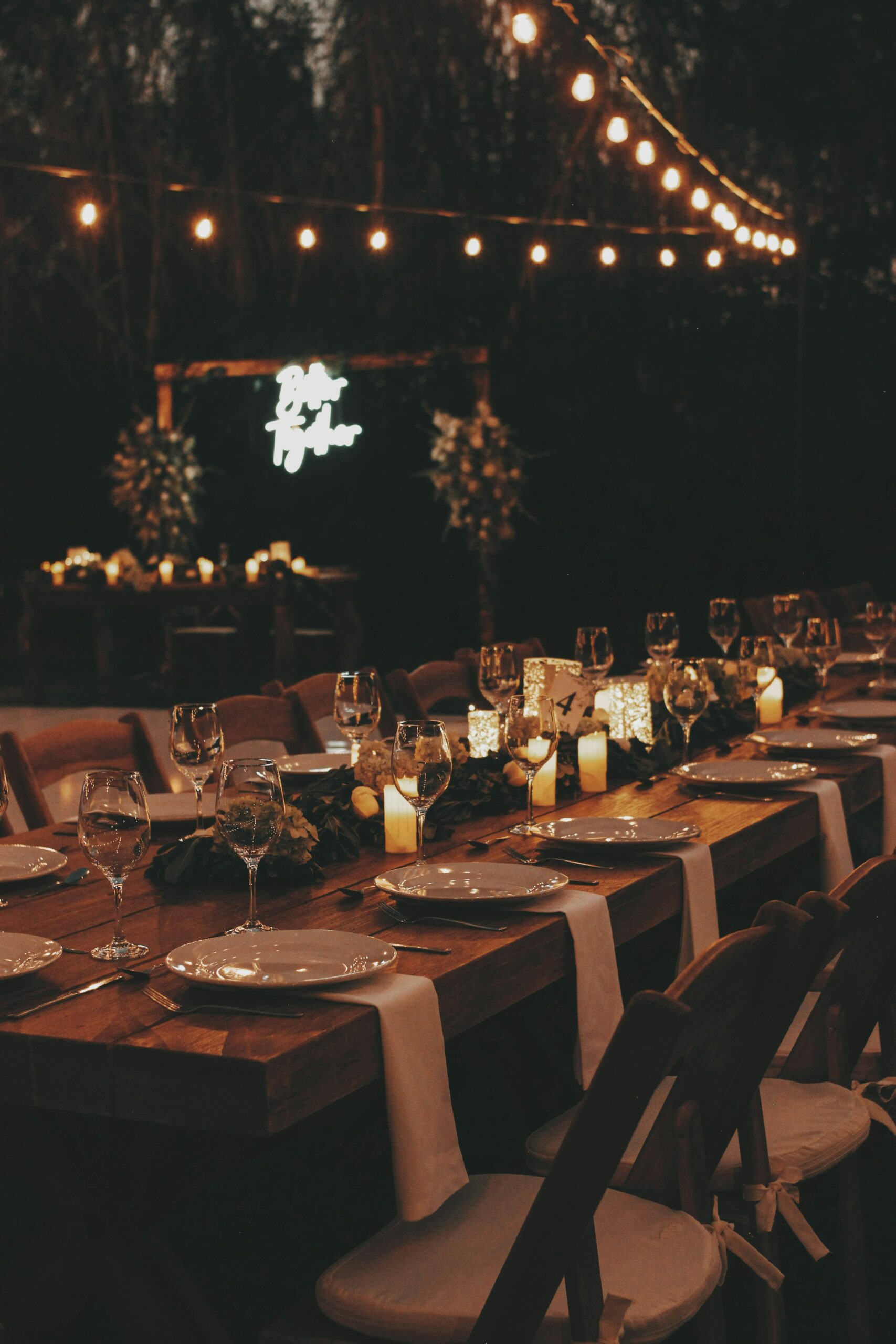
Planning a Private Event on the French Riviera
A celebration on the Riviera can be the event of a lifetime — a dinner under the pines, a milestone on a terrace above the sea, a wedding on the coast. Behind every effortless evening, though, is a great deal of quiet coordination.
How exceptional private events come together. To plan one, see our private events service.
The setting
The Riviera offers settings few places can match — a private villa with the sea as a backdrop, a historic estate, a yacht at anchor. A rented villa is often the most personal and flexible choice, with the grounds and the household turned over entirely to the occasion.
The team behind it
An exceptional event is a production — catering, a chef, entertainment, flowers, lighting, staffing, security and the logistics that bind them. A private events team or concierge holds the whole of it, so the host can be a guest at their own celebration.
Plan early
The finest dates, venues and suppliers are reserved far ahead — six to twelve months for a wedding or large celebration, more in peak season. Early planning is the single greatest advantage, giving the team room to compose every detail without compromise.
Tell us the occasion, and we will compose the evening.
For ongoing arrangements beyond a single occasion, see our lifestyle management service.
What a Luxury Concierge Actually Does (and Why It Matters)
The word “concierge” undersells the work. At this level it is not a desk that books restaurants; it is a private office that anticipates an entire stay and removes, quietly, every point of friction from it.
Here is what a private concierge actually does, and why it changes a holiday.
Anticipation, not reaction
The defining quality is foresight. A good concierge learns how you like to travel and arranges accordingly — the villa staffed correctly, the fridge stocked to your taste, the car waiting, the table held — so that what you need is already done before you think to ask. The guest experiences only the result.
Access that cannot be bought openly
Much of the value lies in relationships. The off-market villa, the berth during the Grand Prix, the table when the restaurant is full, the invitation to the right event — these come through trusted networks, not public channels. A concierge opens doors that no website can.
One point of contact
A stay involves many moving parts — the chef, the yacht, the transfers, the security, the children’s activities. The concierge holds all of it, so you deal with one person rather than twenty, and everything simply works.
Tell us how you like to travel. We will take care of the rest.
A concierge works best alongside the right house — begin with the villa collection.

Private Aviation to the French Riviera: Airports & Etiquette
For many guests the Riviera holiday begins in the air. How you arrive — which airport, which terminal, the transfer at the other end — shapes the first hours of the stay, and the details are worth knowing.
A practical guide. To arrange the journey, see our private aviation concierge.
Nice: the gateway
Nice Côte d’Azur is the principal point of arrival, with a dedicated business-aviation terminal away from the main concourse — a discreet, swift passage from aircraft to car. It is the natural choice for almost every private arrival on the coast.
The helicopter to Monaco
From Nice, the seven-minute helicopter transfer to Monaco is the established way to complete the journey — over the coast rather than through its traffic. Helicopters also serve the resorts and certain villas with helipad access.
The smaller fields
Cannes–Mandelieu handles smaller aircraft close to Cannes, useful for those staying on the western coast. For larger jets, Nice remains the hub, with onward helicopter or chauffeured transfer.
Arriving as one journey
The seamless arrival is a coordinated one — the aircraft, the terminal, the helicopter or the car, and the villa ready on arrival. A private concierge manages the chain end to end. To plan the stay itself, see the villa collection.
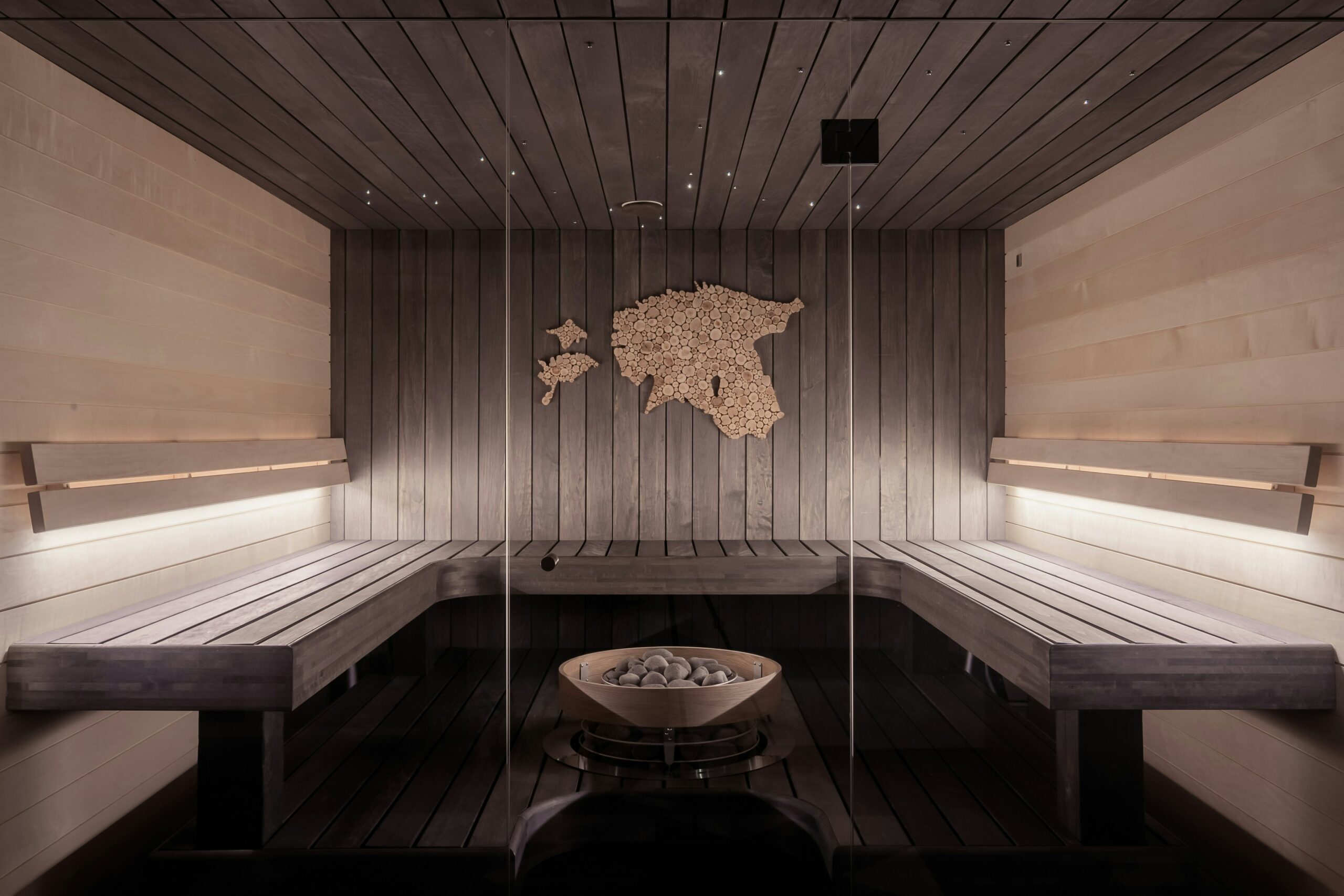
Wellness & Spa Retreats on the Côte d'Azur
The Riviera has always been a place to restore — the sea air, the light, the slow Mediterranean pace. With the right villa and the right people brought to it, an entire wellness retreat can unfold without you leaving the grounds.
How to build a wellness stay on the coast. To arrange one, see our wellness & spa concierge.
The villa as retreat
The foundation is the house. Many of the finest amenity-rich villas include a spa suite — a hammam, a sauna, a treatment room, a proper gym, an indoor pool. With these in place, the villa becomes a private wellness sanctuary, available only to you.
The programme, brought to you
Practitioners come to the villa — a yoga session on the terrace at dawn, a massage after the beach, a personal trainer, a nutritionist shaping the week’s menus alongside your private chef. The programme is built entirely around your goals and your pace.
The setting does the rest
A swim in the morning sea, a walk on a coastal path, an afternoon of stillness above the Mediterranean — the Riviera itself is half the therapy. A concierge assembles the practitioners and the rhythm; the coast supplies the calm.
Begin with a villa suited to the purpose — see the collection or our guide to the quietest cape, Saint-Jean-Cap-Ferrat.
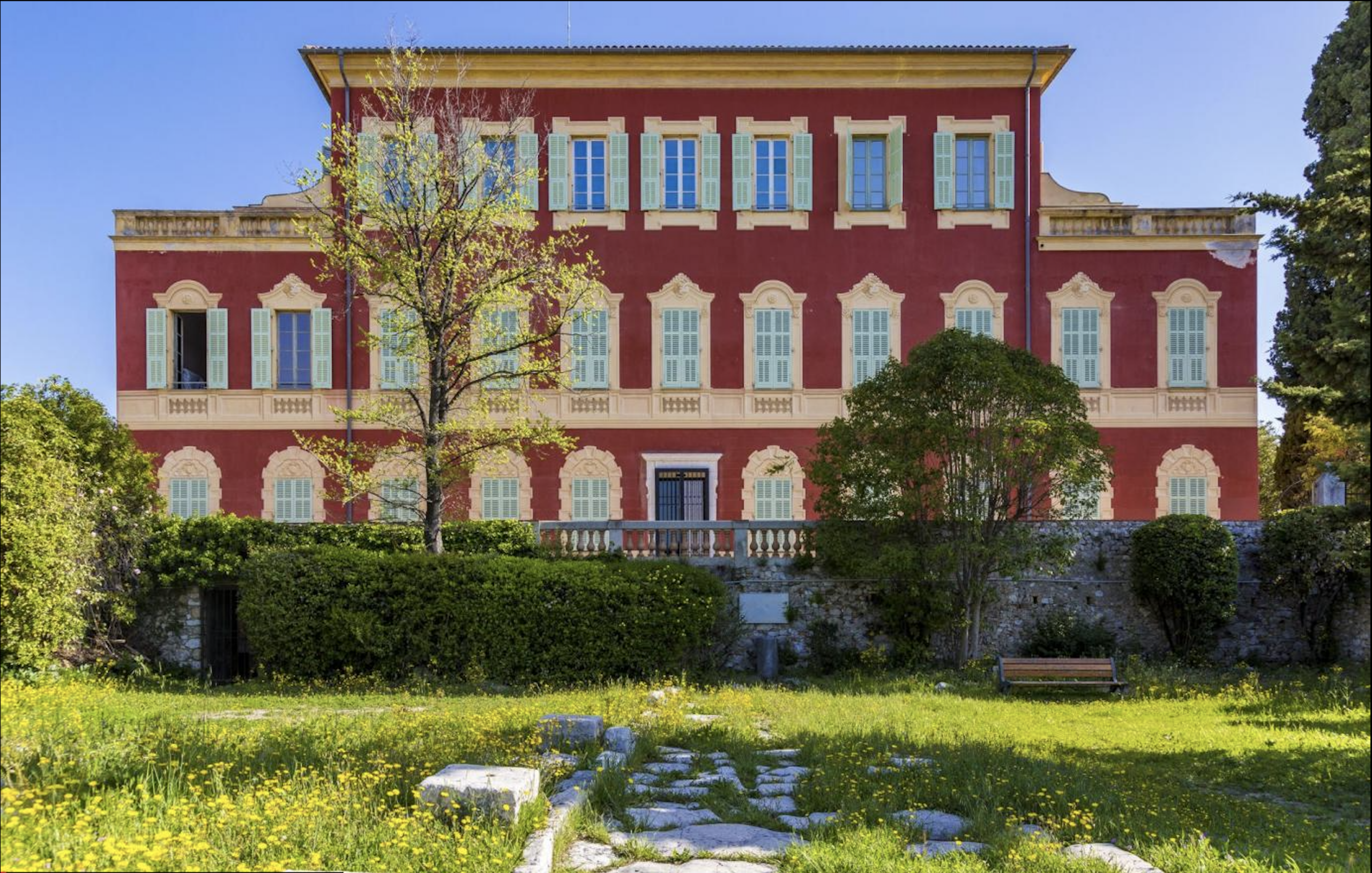
Art & Culture on the Riviera: Foundations, Museums & Private Access
The French Riviera is not only a playground; it is one of the great cradles of modern art. The light that draws you to the coast drew Matisse, Picasso and Chagall before you — and their legacy is everywhere, if you know where to look.
A guide to the coast’s cultural heart. To arrange private access, see our art & culture concierge.
The foundations
The Fondation Maeght, above Saint-Paul-de-Vence, is among the finest private art foundations in Europe — Giacometti in the courtyard, Miró in the gardens, exhibitions of real ambition. It is the essential pilgrimage, best made early or, where possible, privately.
The masters’ museums
Nice holds the Matisse and Chagall museums; Antibes, the Picasso museum in the Château Grimaldi, where the artist worked in 1946; Vence, the Matisse chapel. Each is modest in scale and profound in effect — and each sits within easy reach of a villa on the coast.
Beyond the crowds
The deepest cultural experiences are the private ones — an out-of-hours visit, a curator-led tour, access to a collection not usually open. A concierge with cultural relationships can arrange what the public calendar cannot.
Pair a cultural day with the right base — see our guides to Cap d’Antibes and the wider French Riviera.
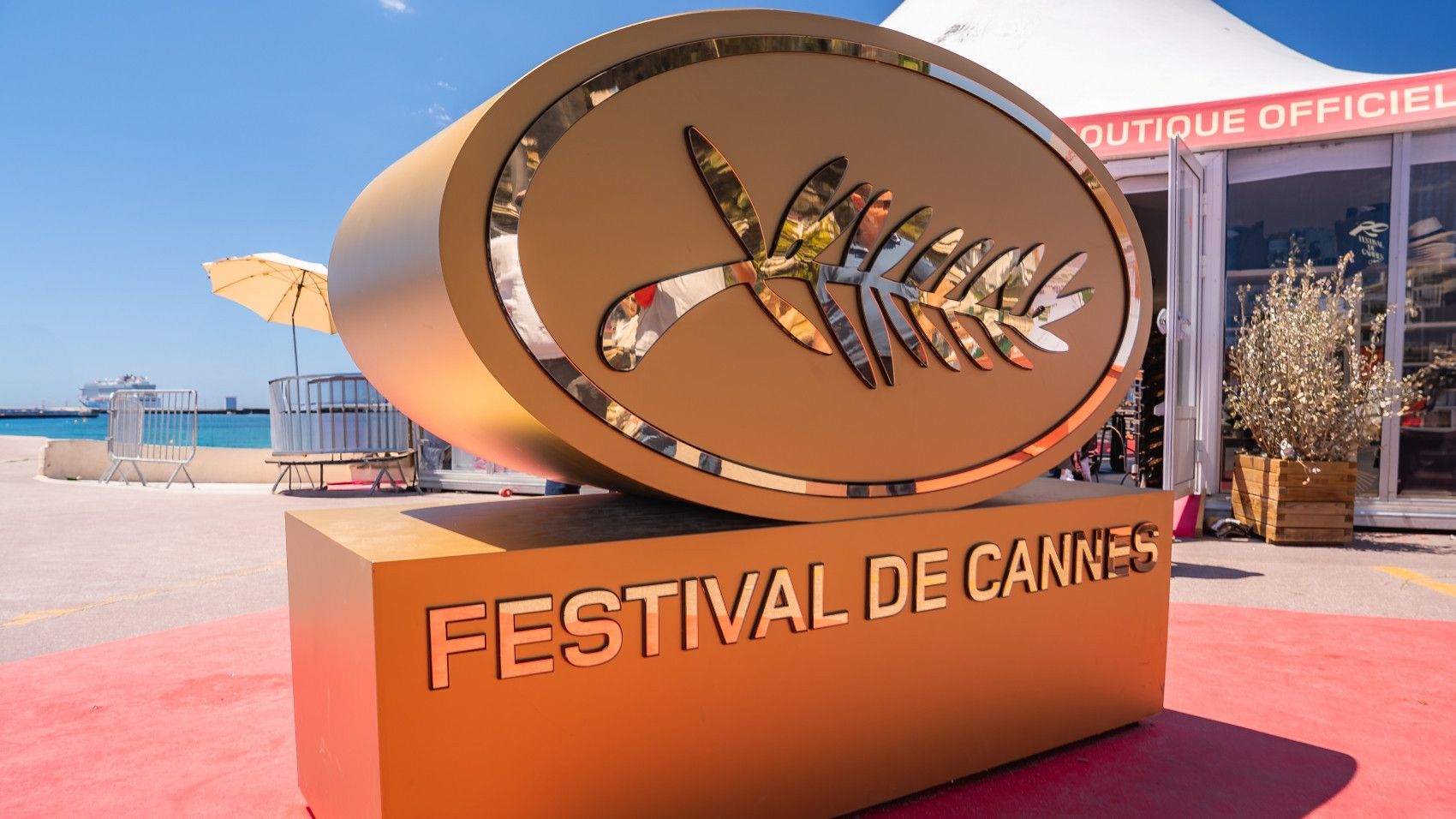
Cannes Film Festival: How the Elite Experience It
The Cannes Film Festival the world sees is the red carpet. The festival the insiders know is the fortnight around it — the private dinners, the yacht gatherings, the access that never appears on any programme.
For two weeks each May, the small city becomes the most concentrated gathering of cinema, business and glamour on earth. The screenings are accreditation-only and the parties invitation-only, which means the festival rewards preparation and relationships above all. This is how it is experienced at the highest level. To arrange it, see our guide to the Cannes Film Festival in luxury.
The fortnight, not the night
The official screenings are the festival’s heart, but its social life runs for two weeks across the Croisette and the bay — premieres and after-parties, brand activations, gala dinners for causes such as amfAR, and the legendary gatherings held on yachts moored off the Palais. The art is in being in the right place each evening, which is a matter of access and timing rather than tickets. No two festivals are the same, and the calendar is half-secret until you are inside it.
The base
Where you stay sets the tone of the whole fortnight. A villa in the hills of La Californie offers privacy, staff and a retreat from the crowds; a yacht in the bay becomes both a venue for hosting and an escape from the crush. Many of the most seasoned guests use both — see our guide to renting a villa for the festival.
Getting about
During the festival the Croisette is closed and the traffic immense; movement becomes its own challenge. A chauffeur who knows the back routes, a tender from a yacht, or simply a base within walking distance of the Palais can be the difference between making an engagement and missing it. For those arriving from afar, a private flight into Nice or Cannes–Mandelieu sets the right tone from the start.
Access, arranged
Invitations, security, transfers through closed streets, tables at the restaurants that vanish months ahead — the festival rewards those who arrive prepared. A private concierge with genuine festival relationships turns a chaotic, oversubscribed fortnight into one that feels, from the inside, entirely composed.
The finest festival arrangements are made months ahead. Begin privately.

Why Hire a Private Chef for Your Riviera Villa
Of all the ways to elevate a villa stay, none transforms it more completely than a private chef. The meals become the rhythm of the day, the terrace becomes the best table on the coast, and not once do you think about a reservation.
The market, then the table
A good private chef begins at the market — the morning’s fish, the first of the season’s produce, the cheese from a particular stall. What follows is cooking shaped by the day and by you: breakfast at your hour, a light lunch by the pool, a considered dinner as the light goes. The villa’s kitchen becomes the engine of the holiday.
Built entirely around you
The deepest luxury is that everything bends to your preferences — the cuisine, the timing, the formality, the dietary needs. A children’s supper early, a tasting menu for guests later, a barbecue on the beach the next day. No restaurant can match that, and no detail is too small.
Effortless, invisible
The chef handles the whole of it — planning, shopping, cooking, service and the clean-up — so the kitchen is always pristine and your only task is to arrive at the table. For larger gatherings, the chef works alongside the rest of the household staff arranged through your concierge.
Tell us how you like to eat, and we will find the chef to match.
A private chef pairs naturally with the right house — see our villa collection and our guide to amenity-rich villas.
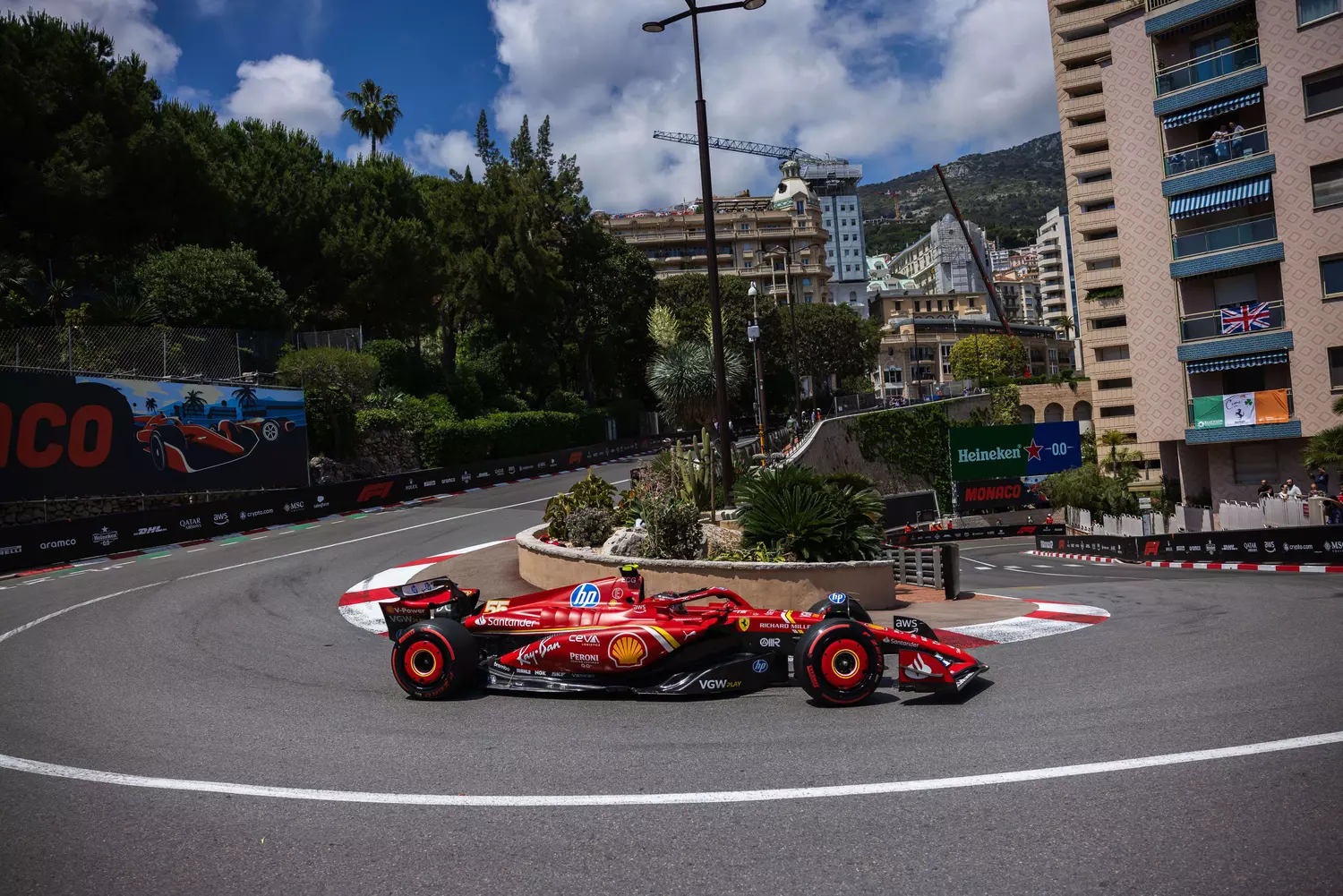
The Monaco Grand Prix: A Guide to Watching in Style
The Monaco Grand Prix is the rare event that lives up to its myth — Formula 1 threading the streets of the Principality, the harbour glittering with yachts, the whole of Monaco given over to the race. How you watch it makes all the difference.
Run each year in late May, the race is unlike any other on the calendar: no purpose-built circuit, but the very streets of Monaco — past the Casino, down to the harbour, through the tunnel — lined three days deep with the most glamorous crowd in sport. Here are the ways in, and how to choose. To arrange the weekend, see our Monaco Grand Prix hospitality.
- Terrace or apartment above the circuit — comfort, hospitality, the cars below.
- Yacht in Port Hercule — the harbour grandstand, and a venue in one.
- Grandstand & paddock — closest to the sport itself.
- Book a year ahead — the best of all three sell out early.
A terrace above the circuit
The terraces and private apartments overlooking the track are among the most coveted seats in sport — the cars threading the barriers below, a glass of Champagne in hand, fine catering and air-conditioned comfort at your back. Those above the harbour chicane and the swimming-pool section offer the most dramatic views. They deliver the race in style and shelter, and they are reserved far ahead.
A yacht in the harbour
For many, the definitive Grand Prix is watched from a yacht in Port Hercule, the circuit wrapping the harbour and the flotilla of superyachts forming a spectacle of its own. It combines the race with the freedom to entertain across the whole weekend — see our dedicated guide to chartering a yacht for the Grand Prix.
The grandstands and the paddock
Grandstand seats — at the start-finish straight or above the harbour — paired with paddock access bring you closest to the sport itself: the teams, the cars, the noise. It is the choice of the true enthusiast, and the access that money alone cannot always secure without the right relationships.
Beyond the racing
The Grand Prix is also a weekend of parties and dinners that fill every hour around the track. A Monaco concierge assembles the pieces — tickets, access, transfers through the closed streets, and the right tables and invitations — into a single seamless weekend, so you experience the spectacle and none of the logistics.
Where to stay
Base yourself in the Principality, in a Monaco residence, or on nearby Saint-Jean-Cap-Ferrat for a calmer retreat twenty minutes away. For more of the Principality, see our guide to Monaco beyond the casino.
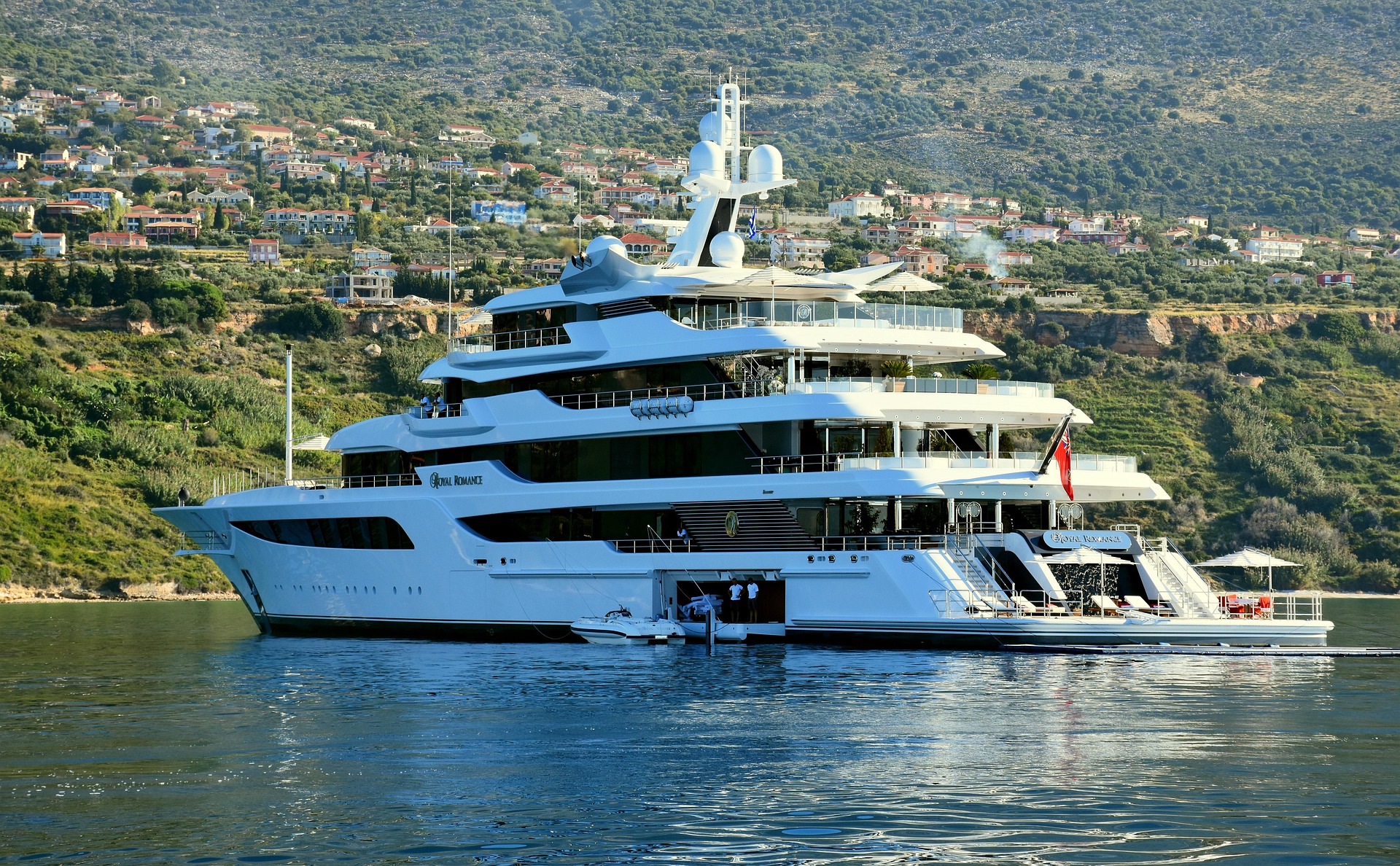
Cannes Film Festival by Yacht: The Insider's Guide
During the festival, Cannes turns to face the sea. The bay fills with yachts, the most sought-after parties are held on deck, and a charter becomes the most coveted base of the fortnight — part venue, part retreat, part vantage point.
For the two weeks of the festival each May, a yacht is the single most useful thing to have in Cannes — a private address steps from the action, a stage for hosting, and a way out when the crowds become too much. Here is how to use it well. For the wider experience ashore, see our guide to the Cannes Film Festival in luxury.
The berth beside the Palais
A yacht in the Vieux-Port sits steps from the Palais des Festivals and the red carpet — the most convenient address in Cannes when the streets are gridlocked and a car can take an hour to cross town. These berths are very few and reserved a year ahead. Beyond the port, a mooring in the Bay of Cannes offers the same atmosphere and the same skyline, with a short tender ride to the quay — often the more relaxed choice, and a more affordable one.
A stage for entertaining
The festival’s defining gatherings happen on the water. A chartered yacht gives you a private deck to host on — a dinner for key guests, a brand launch, a late drink away from the crush — with a professional crew and, if you wish, a chef to match. For those doing business at the festival, it is the most valuable room in Cannes.
The retreat
Just as valuable is the escape. When the Croisette overwhelms, the yacht slips out to a quiet anchorage off the Lérins islands — a swim, a long lunch, an afternoon of calm before the evening begins again. To return refreshed each night, while everyone ashore battles the crowds, is the festival’s best-kept advantage.
Book early, plan privately
The best yachts and berths are reserved six to twelve months ahead, and the prime port moorings far sooner. A concierge secures the charter, the berth and the hospitality as one, and coordinates the tenders, transfers and invitations around them. Many guests pair the yacht with a villa in the hills — see also our guides to renting a villa for the festival and how the elite experience it.
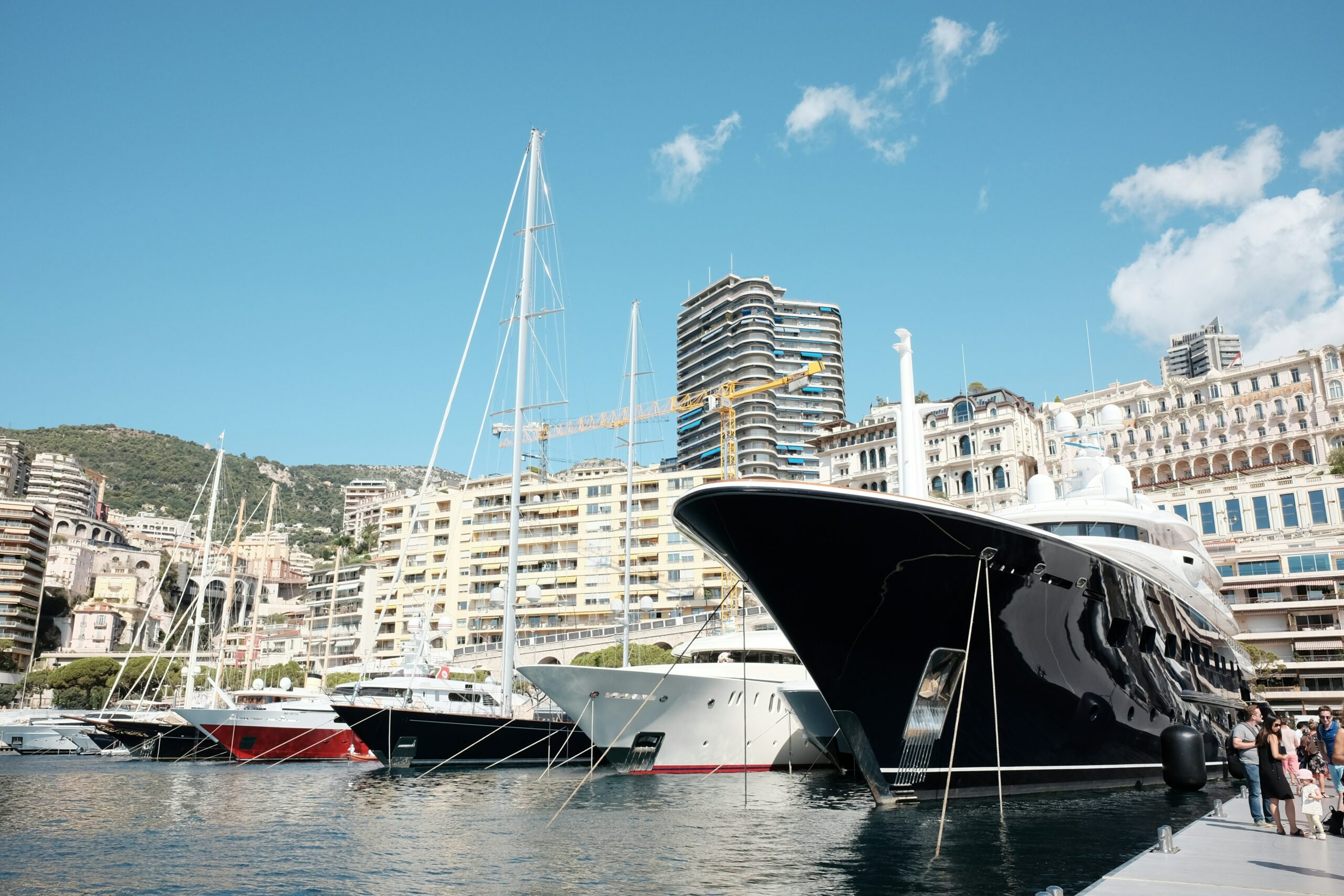
Chartering a Yacht for the Monaco Grand Prix: What to Know
There is no finer seat at the Monaco Grand Prix than the deck of a yacht in Port Hercule. The cars thread the harbour-front, the circuit wraps around you, and the most glamorous race in the world becomes, for the weekend, your private grandstand.
Held each year in late May, the Monaco Grand Prix is the one race every Formula 1 driver wants to win and every guest wants to attend — and the harbour, packed gunwale to gunwale with superyachts, is its defining image. Here is how to be part of it. For the full weekend, see our guide to Monaco Grand Prix hospitality.
The berth is everything
The experience hinges entirely on the berth. A trackside mooring in Port Hercule places you within metres of the circuit, the Nouvelle Chicane and the swimming-pool section right before you, the cars audible long before they appear. An anchorage just outside the harbour offers the atmosphere, the flotilla and the spectacle without the trackside proximity — at a fraction of the cost. Both are wonderful; they are simply different commitments, and the finest harbour berths are very few.
The shape of the weekend
The race weekend builds across several days — practice on Friday, qualifying on Saturday (often the most thrilling session of all on this tight circuit), and the Grand Prix itself on Sunday afternoon. Around the racing runs a parallel calendar of parties, dinners and gatherings, much of it hosted on the yachts themselves. A charter lets you live at the centre of all of it, on your own terms.
Book a year ahead
Trackside berths sell out roughly a year before the race, and the best are held by returning guests from one year to the next. Late enquiries are not impossible, but they usually mean anchoring offshore rather than in the harbour. For Port Hercule itself, early commitment through a Monaco charter specialist is the only reliable route.
The weekend, composed
A Grand Prix charter is more than the race. Catering and hospitality on board, transfers through closed streets, paddock and grandstand access, and the surrounding events all require coordination — the work of a private concierge. Many guests pair the yacht with a residence ashore or on nearby Saint-Jean-Cap-Ferrat, a calm retreat twenty minutes from the noise. For other ways to watch, see our guide to the Grand Prix in style.
The harbour berths go a year ahead. Begin the conversation early.
The Best Day-Cruise Itineraries from Cannes & Saint-Tropez
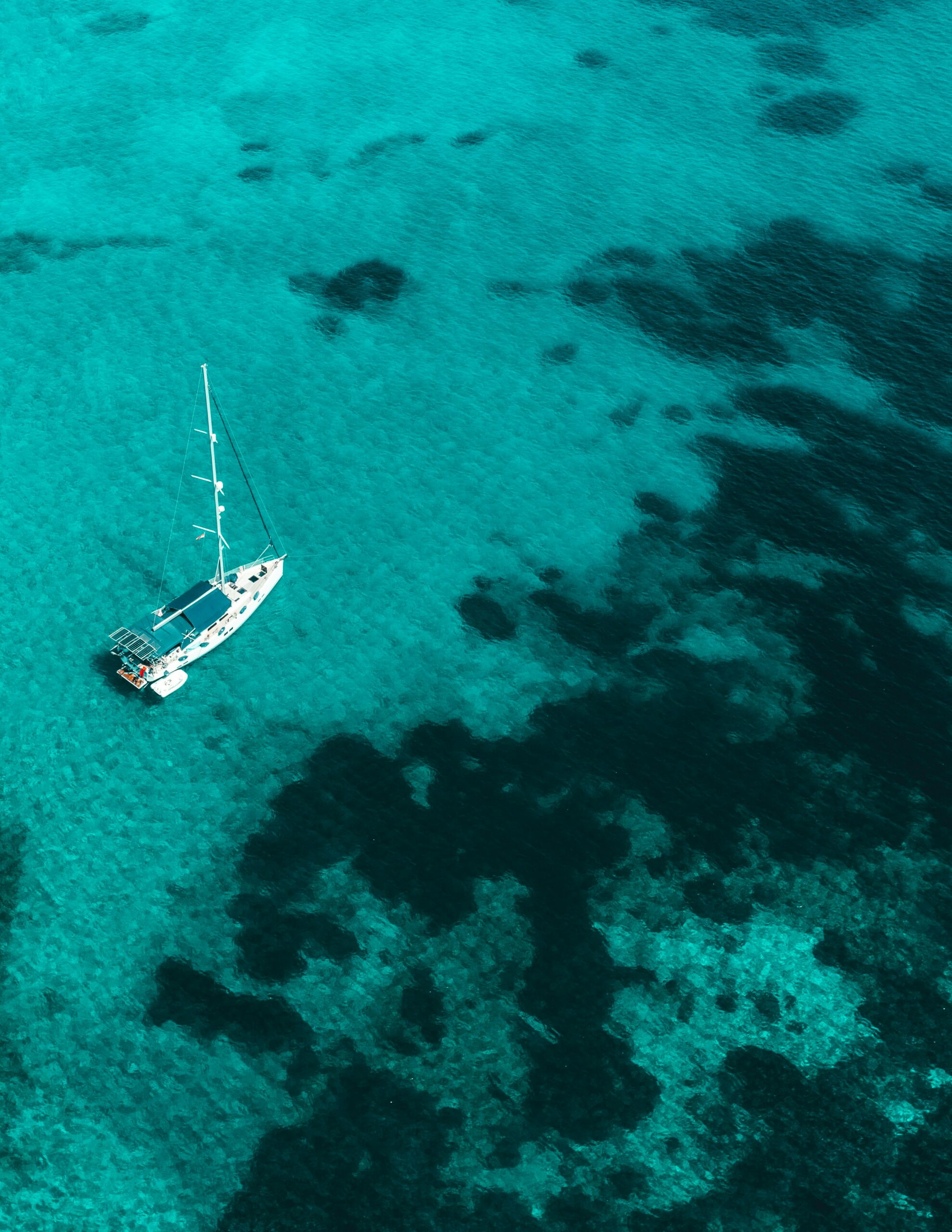
A day at sea is the Riviera at its most effortless — no schedule, no crowds, just the coast unrolling from the deck. From Cannes, Saint-Tropez and the eastern bays, a handful of itineraries stand above the rest.
A day cruise is also the easiest way into life on the water — a fixed day rate, catering to suit, and no week-long commitment. Each of the routes below can be arranged as a private day cruise, tailored entirely to your pace and party.
From Cannes: the Lérins islands
Just offshore from Cannes lie the Lérins — Sainte-Marguerite, with its pine forests and the fort that held the Man in the Iron Mask, and the tiny monastic island of Saint-Honorat, where the monks have made wine for centuries and still welcome visitors to taste it. Clear water, sheltered anchorages and a crossing of barely twenty minutes make this the perfect half-day, easily extended westward along the coast.
From Cannes: the Estérel calanques
West towards Saint-Raphaël, the red porphyry cliffs of the Estérel massif drop sheer into turquoise coves reachable only from the water. The contrast of red rock, green pine and blue sea is the most dramatic scenery on the western Riviera, and a swim in one of its hidden calanques — followed by lunch at anchor — is invariably the day’s highlight.
From Saint-Tropez: the peninsula and Pampelonne
From Saint-Tropez, the cruise follows the peninsula past Pampelonne’s beach clubs to the quiet coves of Cap Camarat and the Plage de l’Escalet beyond — with the option of lunch ashore at a club, or at anchor on board. It is the classic Tropezienne day on the water, and the best way to see both the spectacle and the seclusion of the coast in a single afternoon. See our guide to the best beach clubs to pair it with lunch.
From the eastern bays: Cap-Ferrat & Monaco
On the eastern coast, a cruise from Villefranche or Beaulieu rounds Saint-Jean-Cap-Ferrat — past its grand villas and the deep, clear water of its coves — with the option of continuing to Monaco for lunch in the harbour. It is the most glamorous stretch of shoreline on the coast, best appreciated from the sea.
The day, composed
The pleasure of a private cruise is that it bends to you — swimming and water toys, a chef’s lunch on board, a stop at a beach club, a glass of rosé as the light softens on the way home. A concierge arranges every detail, from the catering to the timing. For longer voyages, see our guides to choosing a yacht and what a charter costs, or the charter collection.
How Much Does It Cost to Charter a Yacht on the French Riviera?
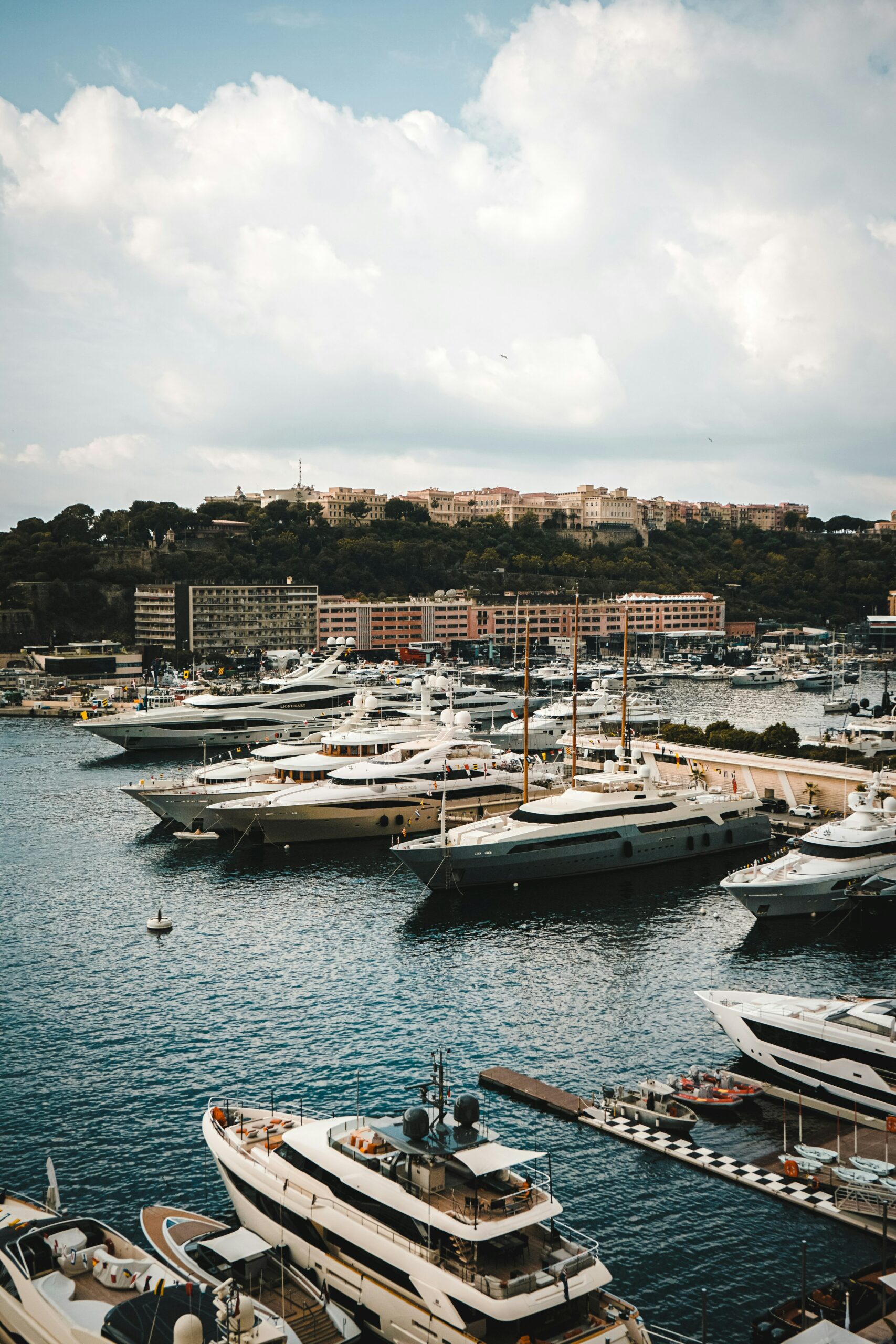
A week aboard a crewed yacht on the Riviera can be arranged from roughly €30,000 — or it can run to several million. As with villas, the headline figure is only part of the picture; understanding the structure is the key to chartering well.
Yacht charter is quoted differently from almost anything else in luxury travel: a base rate for the yacht and crew, plus a separate allowance for everything you consume along the way. Once you understand the two parts, the numbers become clear — and comparing one yacht to another becomes straightforward.
The base rate
The weekly base rate secures the yacht and its professional crew. It rises with length, volume, age, builder and amenities — a smaller sailing yacht sits at the lower end, while a large motor yacht or superyacht reaches the hundreds of thousands per week and beyond. Season matters too: July, August and event weeks such as the Cannes Film Festival and the Monaco Grand Prix command the highest rates of the year.
| Yacht size | Typical base rate / week | Best for |
|---|---|---|
| Sailing yacht, 20–30m | €30,000 – €80,000 | Couples, small groups, intimate cruising |
| Motor yacht, 25–35m | €60,000 – €150,000 | Families, entertaining, coastal range |
| Motor yacht, 35–50m | €150,000 – €450,000 | Larger parties, full crew and amenities |
| Superyacht, 50m+ | €500,000 – €2,000,000+ | The largest, most appointed charters |
The running costs (APA)
On top of the base rate sits the Advance Provisioning Allowance — the APA — typically around 30% of the base rate. It covers fuel, food, drink, port and marina fees, and similar running costs. You pay it ahead; the captain draws against it during the charter and reconciles it at the end, refunding what is unspent or asking you to top it up if you have been especially thirsty. Factoring the APA in from the start is what keeps the true cost free of surprises.
The other line items
- VAT on the charter, which varies with the itinerary and the time spent in each country’s waters.
- Crew gratuity, customary at roughly 5–15% of the base rate, at your discretion.
- Delivery or relocation fees, if the yacht must reposition to meet your itinerary.
A good broker sets all of this out clearly before you commit, so the figure you approve is the figure you pay.
What moves the figure
- Size & type: length and volume are by far the largest drivers.
- Season: high summer and event weeks cost most; spring and autumn ease considerably.
- Build & amenities: a newer, better-equipped yacht commands a premium.
- Itinerary: distance covered affects fuel and provisioning within the APA.
- Motor vs sail: a comparable motor yacht generally costs more — see our guide to choosing between them.
A lighter way in
If a full week is more than you need, a day cruise offers the experience at a fraction of the commitment — typically a fixed day rate with catering arranged to suit, and no APA to manage. It is also the ideal way to test how you like life aboard before booking a longer charter. See our guide to the best day-cruise itineraries.
Tell us your dates, your party and your itinerary — we will return clear, all-in figures.
To explore the options, begin with the charter collection, and pair it with a villa on the coast.
Motor Yacht vs. Sailing Yacht: Which to Charter on the Riviera
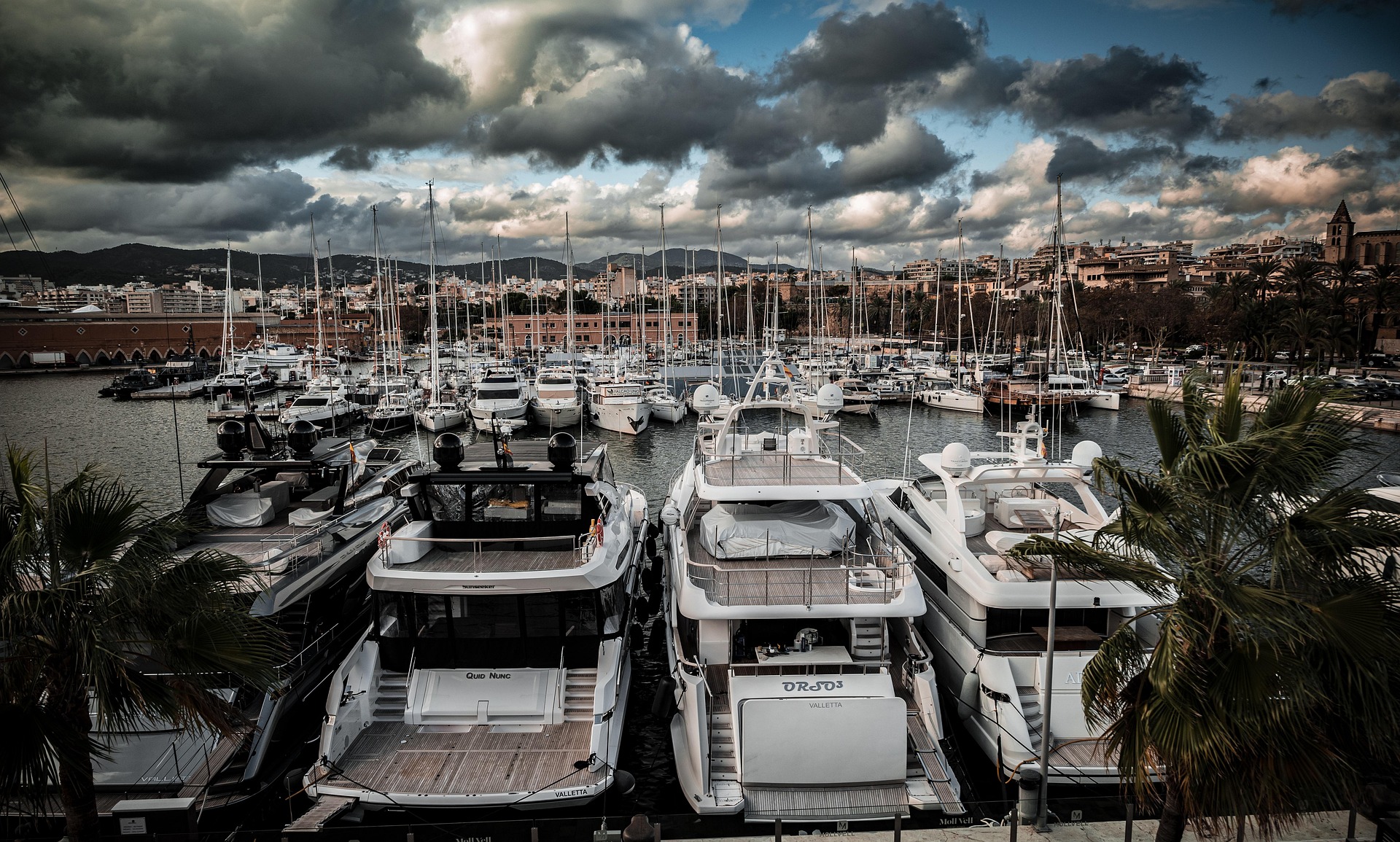
The choice between a motor and a sailing yacht is really a choice about how you want the days to feel — fast and generous, or quiet and elemental. Both are wonderful ways to see the coast; they simply offer different pleasures.
It is the first question every charter begins with, and the answer shapes everything that follows — the pace of your days, the guests you can host, the anchorages you can reach and the budget you commit. Below, the real differences, the practical trade-offs, and how to decide.
- Choose motor for space, speed, stability and entertaining — the default for most Riviera charters.
- Choose sail for intimacy, serenity, calmer anchorages and the romance of the sea.
- Budget: a comparable motor yacht generally charters for more per week.
- Either way the yacht comes fully crewed; you simply step aboard.
The motor yacht
A motor yacht is the natural choice for space, speed and stability. It covers distance quickly — Saint-Tropez to Monaco between lunch and dinner — carries more guests in greater comfort, and offers the volume for proper entertaining. Wide decks, a generous saloon, often a jacuzzi and a full complement of water toys; this is the yacht for those who want the sea as a stage as much as a journey. For most charters on the Riviera, it is the default for good reason.
The trade-offs are real but modest for most guests: higher running costs, a deeper draught that keeps you out of the shallowest coves, and an experience driven by the engines rather than the wind.
The sailing yacht
A sailing yacht trades pace for romance — the quiet of moving under sail, a shallower draught for tucking into calmer anchorages, and a more intimate, elemental rhythm. The decks are more compact and the layout closer-knit, which many find part of the charm. For those who love the sea itself, and who measure a day by the wind rather than the itinerary, nothing else compares.
A modern crewed sailing yacht is far from spartan — comfortable cabins, fine dining, attentive crew — but it asks you to move at the coast’s pace rather than your own, which is precisely its appeal.
The practical differences, side by side
- Space & guests: motor yachts offer more of both for a given length.
- Speed & range: motor yachts cover more coastline in a day; sailing yachts take their time.
- Anchorages: a sailing yacht’s shallower draught reaches quieter, more sheltered coves.
- Atmosphere: motor yachts are made for entertaining; sailing yachts for intimacy.
- Cost: comparable motor yachts generally charter for more, base rate and running costs alike.
- Stability: motor yachts sit steadier at anchor and underway — worth weighing for less experienced guests.
Which suits your party?
A large group, young children or a week built around hosting points firmly to motor. A couple, a few close friends, or anyone who finds the silence of sail the whole point will be happier under canvas. And for those torn between the two, a day cruise on each is the simplest way to feel the difference before committing to a week.
Making the decision
If you plan to entertain, cover distance and prioritise comfort, choose motor. If you want serenity, intimacy and the feel of the sea, choose sail. Either way, a concierge will match the specific yacht and crew to your party and your itinerary. For figures, see our guide to what a charter costs, or begin with the yacht charter collection.

How to Rent a Villa for the Cannes Film Festival
For two weeks each May, Cannes becomes the centre of the cinematic world — and the most demanding rental market on the coast. Securing the right villa for the festival is a matter of timing, address and the service that holds it all together.
During the festival, demand for villas, yachts and staff outstrips supply many times over, and the usual rules of booking no longer apply. Get the approach right and the fortnight is exhilarating; leave it late and the choice narrows to almost nothing. Here is how to do it well. For the wider experience, see our guide to the Cannes Film Festival in luxury.
Book early — earlier than you think
The festival fortnight is reserved long in advance. Six to twelve months ahead is the working assumption for the finest Cannes villas, and the same is true of the yachts berthed in the bay. Many of the best houses are taken by returning guests before they ever reach the market at all. The earlier the enquiry, the wider the choice — and the better the value, since festival rates only firm up as the dates approach.
Choosing the address
Two strategies prevail, and the right one depends on how you intend to spend the fortnight.
- Near the Croisette — a residence within walking distance of the Palais and the parties, invaluable when the streets are closed and the traffic dense. The choice for those at the centre of the festival each night.
- In the hills of La Californie — privacy, space and calm, with a chauffeur bridging the short distance. The choice for those who want to retreat from the crowds between engagements.
For the full picture of each quarter, see our guide to where to stay in Cannes.
The villa-and-yacht combination
The most considered guests often take both: a villa to live in and a yacht to entertain on. The villa offers privacy, staff and a base away from the noise; the yacht, berthed by the Palais or anchored in the bay, becomes a venue for hosting and an escape when the Croisette overwhelms. Together they cover every part of the fortnight.
What the fortnight demands
The festival is logistics at speed — invitations, security, transfers through closed streets, dining reservations that vanish months ahead, household staff and the precise timing of it all. This is where a private concierge earns their place, turning a packed and pressured fortnight into something that feels, from the inside, entirely calm. It is not a stay to improvise.
Planning for the festival? The best dates are reserved early.
To plan the rest of the coast, see our French Riviera overview.
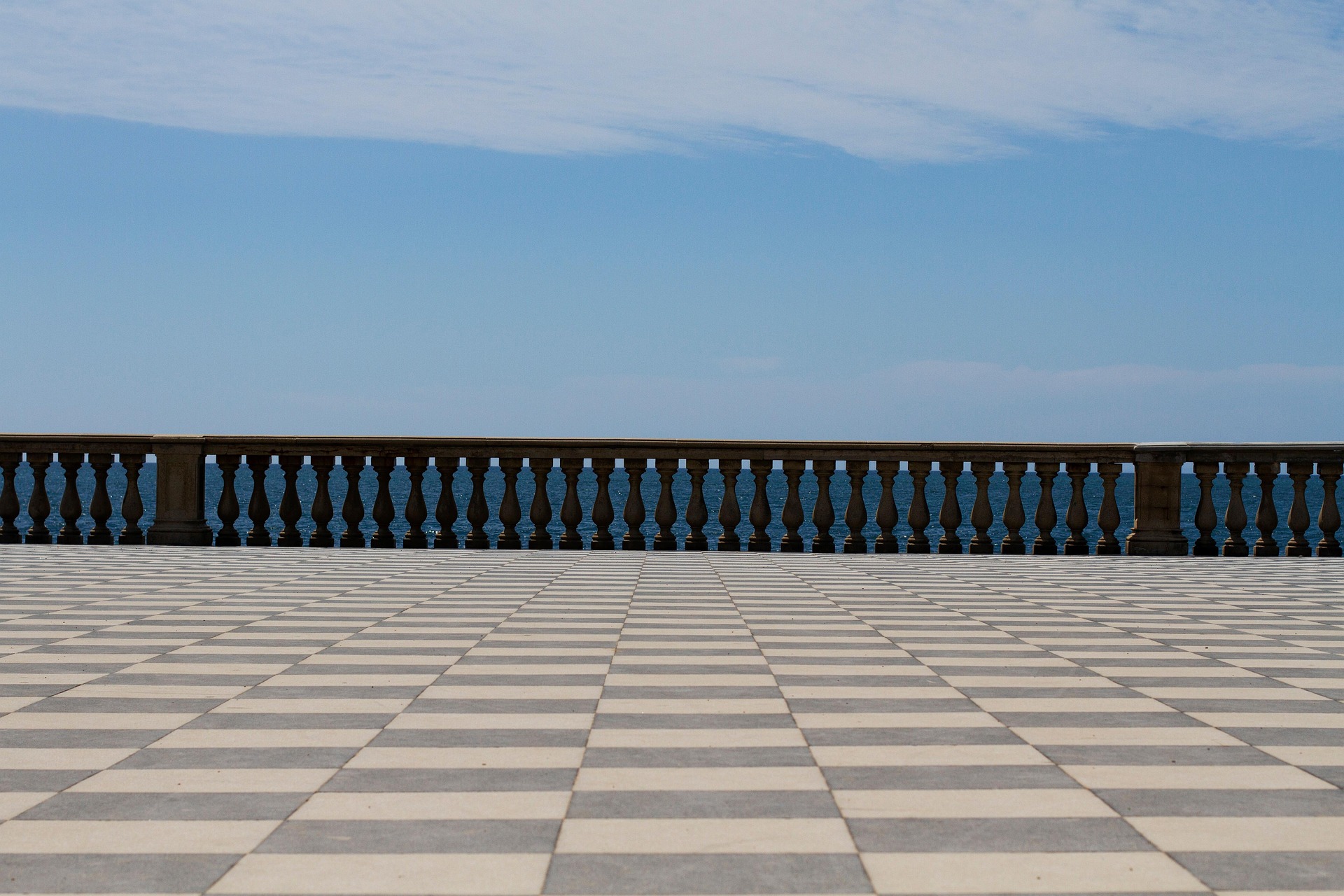
Waterfront vs. Hillside: Choosing Your Riviera Villa
It is the first real decision in choosing a Riviera villa: the water at your feet, or the whole coast laid out beneath you. Both are wonderful; they are simply different, and the right answer depends on how you intend to spend your days.
The case for the waterfront
A waterfront estate offers the rarest thing on the coast — the sea as an extension of the garden. Direct access for swimming and tenders, the sound of the water, a berth for a chartered yacht. On Cap d’Antibes and Saint-Jean-Cap-Ferrat, these are the most coveted, and most expensive, addresses of all.
The case for the hills
A hillside villa trades immediacy for perspective — the long, panoramic view, more privacy, larger grounds and, often, better value. From the heights of Super Cannes or the hills above Saint-Tropez, the coast becomes a vista, and the sea is a short, chauffeured drive away.
What “waterfront” actually means
Not all waterfront is equal. Some estates open onto a private cove; others sit above the sea with no beach of their own. Clarifying exactly what access a property offers — and how private it truly is — is essential before you commit.
Making the choice
If your days revolve around the sea and a yacht, choose the water. If you value the view, the space and the privacy, choose the hills — and let a concierge bridge the short distance to the shore. For figures, see our guide to villa rental costs, or browse the full collection.
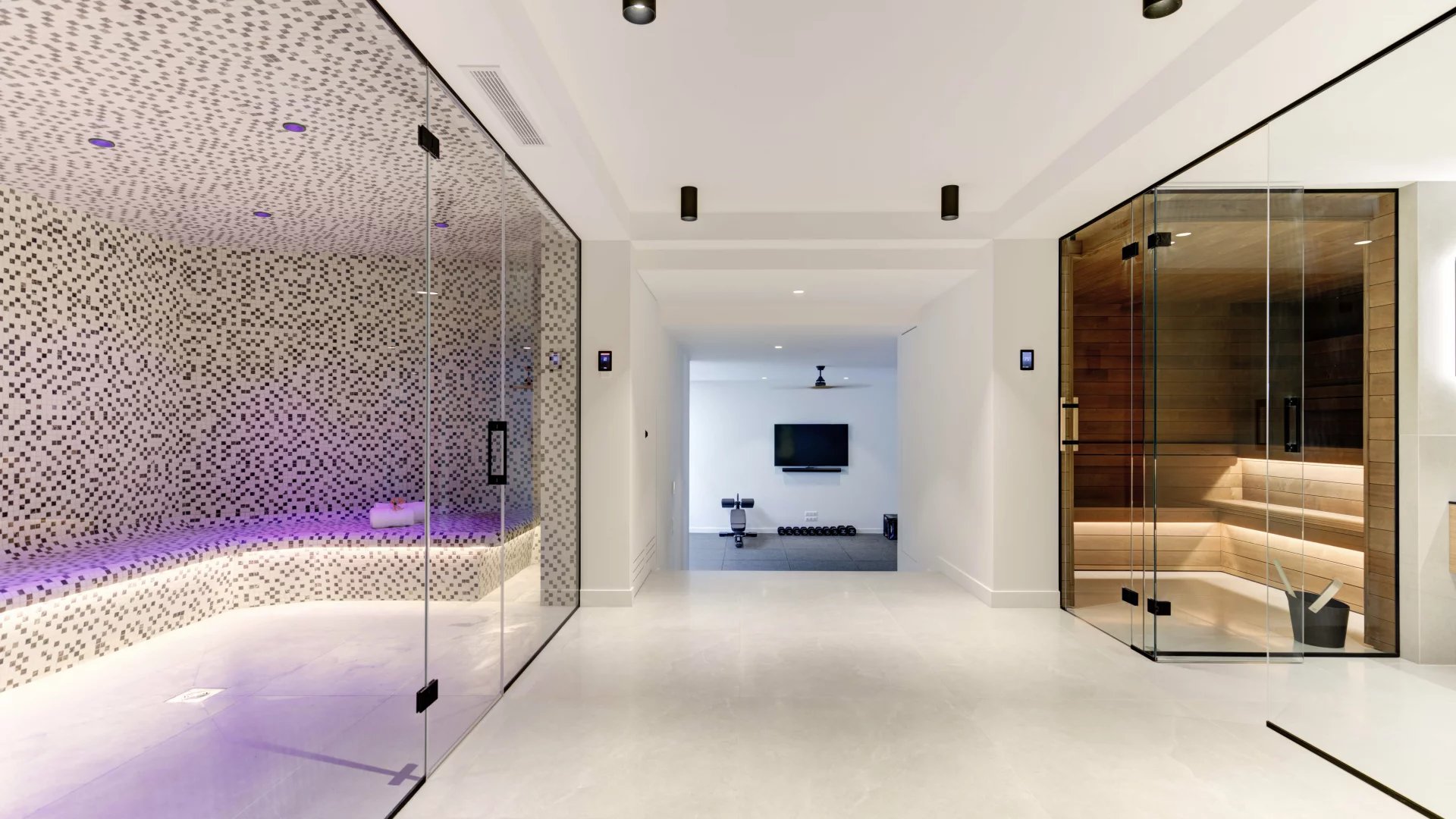
What Defines a Truly Amenity-Rich Riviera Villa (2026)
A beautiful villa is easy to find. A truly amenity-rich one — where every part of the day is anticipated — is rarer, and it is the amenities, more than the architecture, that you remember.
The essentials, done exceptionally
An infinity pool, generous terraces and a kitchen built for a private chef are the foundation. What sets the finest estates apart is how well these basics are executed — the orientation of the pool to the afternoon sun, the flow from kitchen to terrace, the privacy of each suite.
Wellness at home
The most sought-after villas now bring the spa indoors — a hammam, a sauna, a treatment room, a proper gym. Paired with a visiting practitioner arranged through a wellness concierge, the result is a retreat that never requires leaving the grounds.
The infrastructure of ease
The amenities guests notice least are often the ones that matter most: comfortable staff quarters, secure parking and gates, fast and reliable connectivity, and — for waterfront estates — a private berth or mooring for a chartered yacht. These are what allow a household to run invisibly.
What to prioritise
Amenities should follow how you actually live. A multigenerational stay values independent suites and a pool; a wellness retreat values the spa; a working guest values connectivity and quiet. The right villa is the one whose features match your week — something a concierge can match precisely. Begin with the collection.
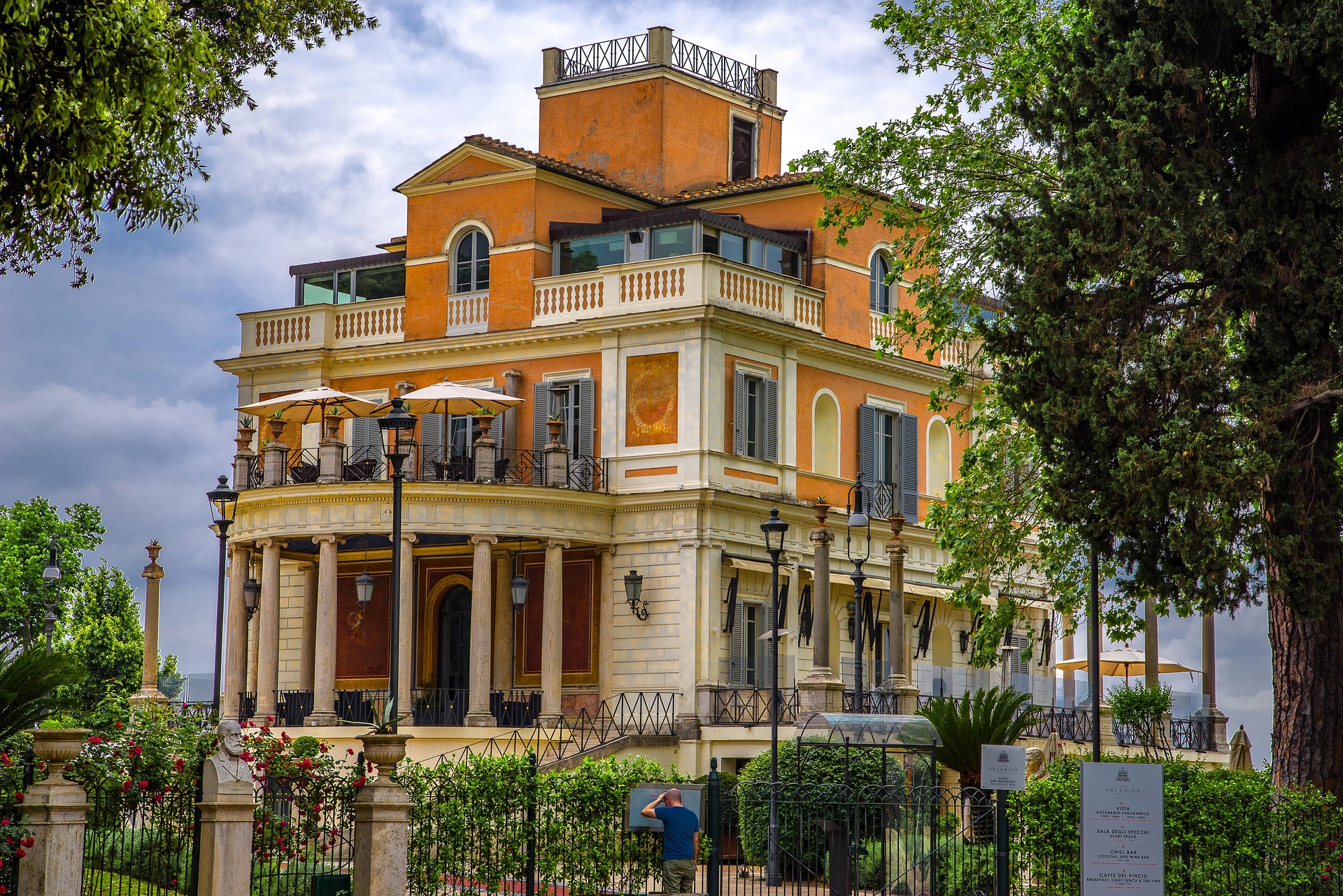
Off-Market Villas Explained: How the Riviera's Best Homes Are Rented
The most beautiful homes on the French Riviera are not on any website. They are rented quietly, by introduction — an entire world of property that exists precisely because it is never advertised.
Search the open web for a villa on the coast and you will find a great deal — much of it excellent. What you will not find is the layer above it: the waterfront estates, the trophy properties, the homes whose owners would never permit a public listing. This is the off-market world, and for the finest stays it is the only one that matters. Here is how it works, why it exists, and how to reach it.
What “off-market” really means
An off-market villa is one whose owner has chosen discretion over exposure. Rather than appear on a public platform, it is placed privately through a small circle of trusted intermediaries, who match it to the right guests. There is no listing, no price online, often no photographs in circulation — the property simply moves quietly between people who already know one another. The result is a parallel market, frequently the finest part of it, that the open internet never sees.
Why owners keep their homes private
For the owners of the coast’s great estates — many on Cap d’Antibes, in Monaco or on Saint-Jean-Cap-Ferrat — the reasons are consistent:
- Privacy. A public listing exposes the layout, the security and the lifestyle of a home that is, in many cases, still used by its family.
- Security. The owners are often well known; anonymity is a genuine protection, not a preference.
- Control. They would rather a single, well-introduced guest, vetted through a trusted intermediary, than open exposure to anyone who can pay.
- Reputation. For a great house, scarcity and discretion preserve a value that advertising would erode.
Discretion, in other words, is not a marketing choice withheld. It is the point.
The best house you will stay in on the Riviera is one you will never have seen advertised.
The kinds of homes you will not find online
Off-market does not mean simply expensive; it means held apart. In practice it is the waterfront estates of the Baie des Milliardaires, the penthouses of the Carré d’Or in Monaco, the historic villas of Saint-Jean-Cap-Ferrat, and the discreet bastides above Saint-Tropez that change hands only by word of mouth. These are the homes quoted on application, where the figure depends on the dates, the party and the season as much as the house itself.
How access actually works
Access comes through relationships, not search. A concierge or broker with established owner connections can present homes that match your requirements — but the process runs differently from a public booking. Expect a conversation rather than a catalogue: a clear brief from you, a curated shortlist in return, and details released progressively as confidence is established on both sides.
The clearer and more credible your brief — capacity, address, dates, the service you expect — the more precisely, and the more quickly, the right house can be found. Vagueness slows everything; specificity opens doors.
The etiquette of the private market
A few conventions are worth knowing. Discretion is expected in both directions — owners extend it, and they expect it returned. Photographs and addresses are shared in confidence and not circulated. Decisions are best made promptly, as the finest homes are shown to few and held briefly. And the relationship matters: work through one trusted intermediary rather than many, and the same doors open more readily next time.
Tell us what you are looking for. The collection we draw on is never published.
For a sense of the published collection and the figures involved, see our guides to villa rental costs and the French Riviera.
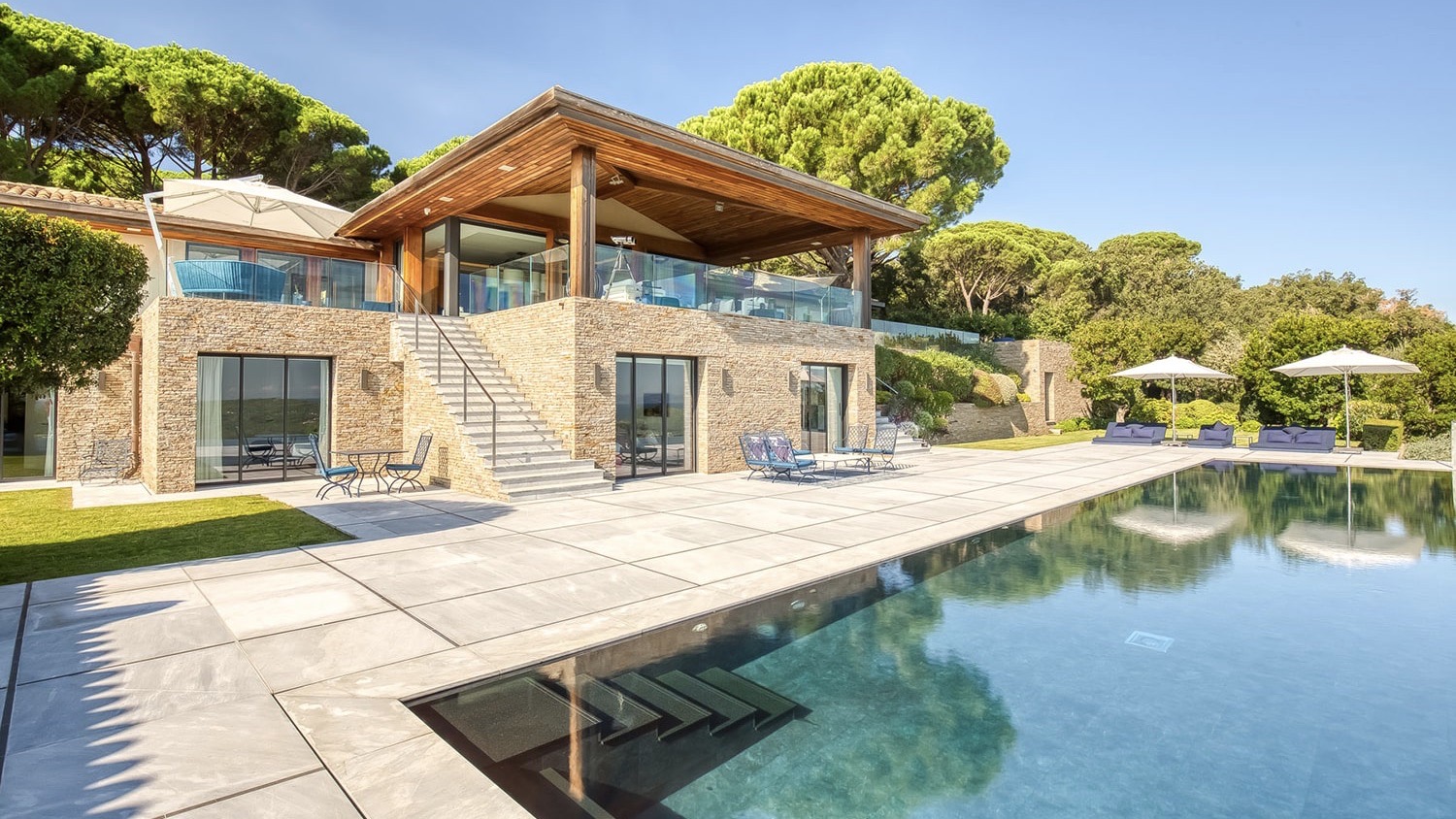
The Complete Guide to Renting a Luxury Villa in Saint-Tropez
Renting well in Saint-Tropez is less about the property and more about the fit — the right address for your party, the right week of the season, and a level of service that lets the place do what it does best.
Saint-Tropez has one of the deepest collections of private villas on the Riviera, from waterfront bastides to contemporary estates hidden in the pines. The choice can be overwhelming, and the finest houses are never advertised at all. This guide covers what actually matters — where to look, what to expect, what it costs, and how to secure the right house. To begin, see the Saint-Tropez villa collection; for context on figures, our guide to what a Riviera villa costs to rent.
Where to look: the addresses that matter
The address shapes everything — the privacy, the views, the journey to the beach, and the price.
Les Parcs de Saint-Tropez is the village’s most exclusive enclave — a gated, wooded domain of grand estates minutes from the port, combining seclusion with proximity. The Canoubiers bay, just north, holds the coveted waterfront villas with direct sea access and views back to the village. The Pampelonne side, towards Ramatuelle, places you within reach of the beaches and their clubs. And the hills of Gassin and Ramatuelle offer the greatest seclusion and the longest views, over vineyards to the sea, at often better value. Each suits a different kind of stay; the choice is the first conversation to have.
What a Saint-Tropez villa looks like
To make the choices concrete, a few estates from our own collection give a sense of the range:
- Villa Signac — a bastide of the 1810s above Les Graniers, once frequented by Signac and Matisse; ten bedrooms, sleeping twenty, in the heart of village history.
- Villa Pinède — a waterfront estate on the Canoubiers bay, eight bedrooms, with the sea at the foot of the garden.
- Villa Serenity — nine bedrooms near Pampelonne, built for beach days and large gatherings.
- La Villa Maelys and Villa La Baldina — six-bedroom houses well suited to a single family or a small group.
The point is less these particular houses than the spread they represent — from historic waterfront to contemporary hillside, from intimate to grand.
What to expect — and what the price includes
At this level a villa is a private residence — a pool, mature grounds, generous suites and, often, a degree of staff. The headline weekly rate secures the house; the chef, the chauffeur and the daily service are composed around it. Understanding that distinction is the key to comparing two properties fairly: a lower rate with no service is not always the better value.
In high season, expect leading Saint-Tropez villas to range from roughly €35,000 per week to well beyond €200,000 for the finest waterfront estates, easing materially in the shoulder months of May, June and late September. Our cost guide sets out the full picture.
Tell us your dates and your party, and we will return a considered shortlist.
When to book
Timing is the single biggest lever you control. For July and August, twelve months ahead is wise — the finest estates are reserved first, and the best dates go before the spring. The shoulder season is more forgiving: a few months’ notice can secure an excellent house, often at a third less, with the village at its most pleasant. If your dates fall during an event such as the Les Voiles de Saint-Tropez regatta in late September or early October, treat them like high season and book accordingly.
The service that matters
The villas that linger in the memory are the ones run quietly well — a private chef cooking the morning market, sun-beds held at the right club, a yacht waiting for a day at sea, a chauffeur who knows the back roads in August. This is the work of a private concierge, and it is what separates a rental from a residence. When you compare two houses, compare the service around them as much as the rooms within.
How to rent well
- Decide the address first — village, waterfront, beach or hilltop — then let the house follow.
- Book early for summer; the best estates are reserved a year ahead.
- Clarify what service is included before comparing prices.
- Match the layout to your party — independent suites for several families, a single wing for one.
- Ask about the off-market collection — the finest houses are never listed.
For things to do once you arrive, see our insider guide to Saint-Tropez, or explore the wider French Riviera.
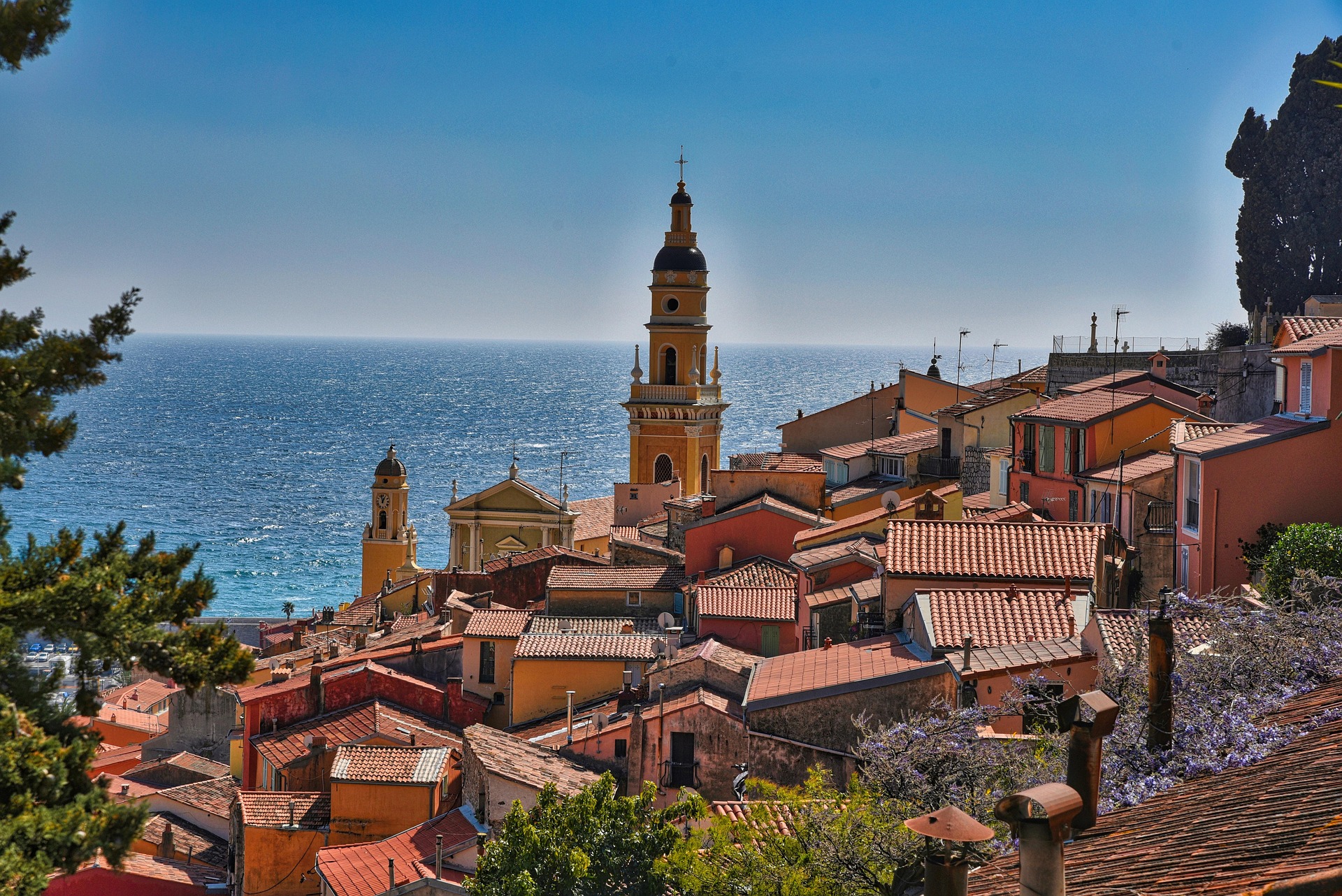
When to Visit the French Riviera: A Season-by-Season Guide
The French Riviera is not one place but several, depending on when you arrive. The same villa feels entirely different in the calm of June and the height of August — and the right season depends on the stay you have in mind.
The coast enjoys one of the kindest climates in Europe — mild, sunny and dry for much of the year — so the question is rarely whether to come, but when. Each season has its own character, its own events and its own value. Here is how the year unfolds.
- Spring (Apr–Jun): gardens, clear light, the great events; sea still warming.
- High summer (Jul–Aug): the coast at full voice — warmest, busiest, dearest.
- September: the connoisseur’s month — warm sea, golden light, fewer crowds.
- Autumn & winter: calm and characterful, with Monaco and the festive season.
Spring: April to early June
The gardens are at their best, the light is clear, and the coast is unhurried. The sea is warming rather than warm — comfortable for the hardy by late May — but the terraces are open and the great events fill the calendar: the Cannes Film Festival and the Monaco Grand Prix both fall in May, with the Monte-Carlo tennis in April. A fine moment for those who want the Riviera awake but not yet crowded — though event weeks themselves are the exception, and book like high season.
High summer: July and August
This is the coast at full voice — warm seas, long golden evenings, every beach club and harbour alive. Jazz à Juan brings the music to Antibes in July; the ports fill with yachts. It is also the busiest and most expensive period, when the finest villas are reserved a year ahead and the roads are at their slowest. A private villa, a chauffeur and a yacht charter are exactly what turn high summer from hectic to effortless.
The golden shoulder: September
For many regulars, September is the secret. The sea is at its warmest after a summer of heat, the light turns golden, the crowds thin, and rates ease. Les Voiles de Saint-Tropez fills the gulf with classic sailing yachts at month’s end. It is the connoisseur’s season — full Mediterranean conditions with room to breathe — and our preferred recommendation for a first visit.
Autumn and winter
October keeps much of September’s warmth with even greater calm, ideal for walking, culture and quiet coastlines. Beyond it the coast settles into a gentler rhythm, though Monaco and the festive season have a real glamour of their own, and the light through winter remains remarkable. A serviced villa with a private chef makes the cooler months genuinely comfortable.
Whenever you choose to come, begin with the villa collection and let us match the house to the season.
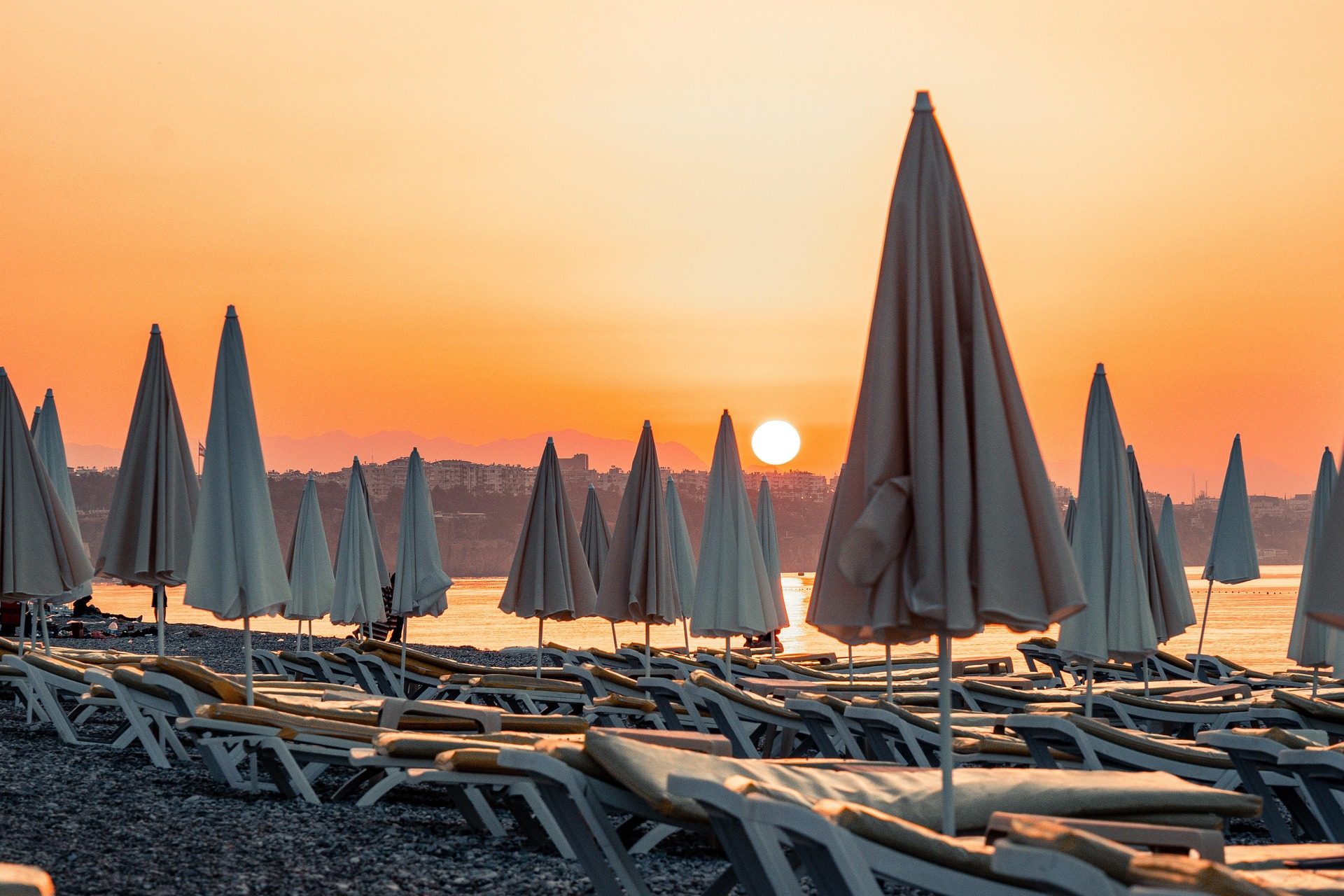
The Best Beach Clubs on the French Riviera
A Riviera summer is measured, in part, by its beach clubs. They set the rhythm of the day — a long lunch over the water, an afternoon in the sun, a tender back to the yacht. The art is in choosing well, and arriving without friction.
Each stretch of the coast has its own style of club, from the music and spectacle of Pampelonne to the pine-shaded calm of the eastern coves. Knowing which suits the mood of the day — and how to secure a place — is what separates a good beach day from a perfect one.
Pampelonne, Saint-Tropez
The five kilometres of Pampelonne hold the coast’s most storied clubs, each with a distinct character. The southern end, towards Ramatuelle, is the livelier — Champagne, music and long, sociable lunches that drift well into the afternoon. The northern stretch is gentler and more family-minded, made for shade and a good book. It remains the benchmark against which every other beach on the coast is measured, and in season the prime sun-beds are spoken for well ahead. See our Saint-Tropez guide for the surrounding stay.
Cannes and the Croisette
The clubs lining the Croisette are elegant and effortless — a short walk from the boutiques and the grand hotels, ideal for a refined lunch between other plans, with the bay and the Estérel in view. During the film festival they become the daytime centre of gravity, where deals are done and the evening’s plans are made.
Cap d’Antibes and the eastern coves
For something quieter, the clubs around Cap d’Antibes, Eden-Roc and the eastern coves towards Beaulieu trade spectacle for serenity — clear, deep water, pine shade and a slower, more discreet pace. They are the choice of those who have seen the busier beaches and prefer the calm, and many are loveliest reached from the sea.
The clubs reached by sea
The finest way to use the coast’s beach clubs is often by water — arriving by tender from a chartered yacht, lunching ashore, then slipping out to a quiet anchorage for the afternoon. A day cruise can string several together, turning the whole shoreline into your own.
Arriving the right way
The difference between a good beach day and a seamless one is logistics — a sun-bed reserved in the right row, a table held at the right hour, a car or a tender at the right moment. In high season the leading clubs are booked days ahead and the best loungers far sooner. A private concierge arranges all of it as a single, effortless plan — often securing access where direct booking is no longer possible.
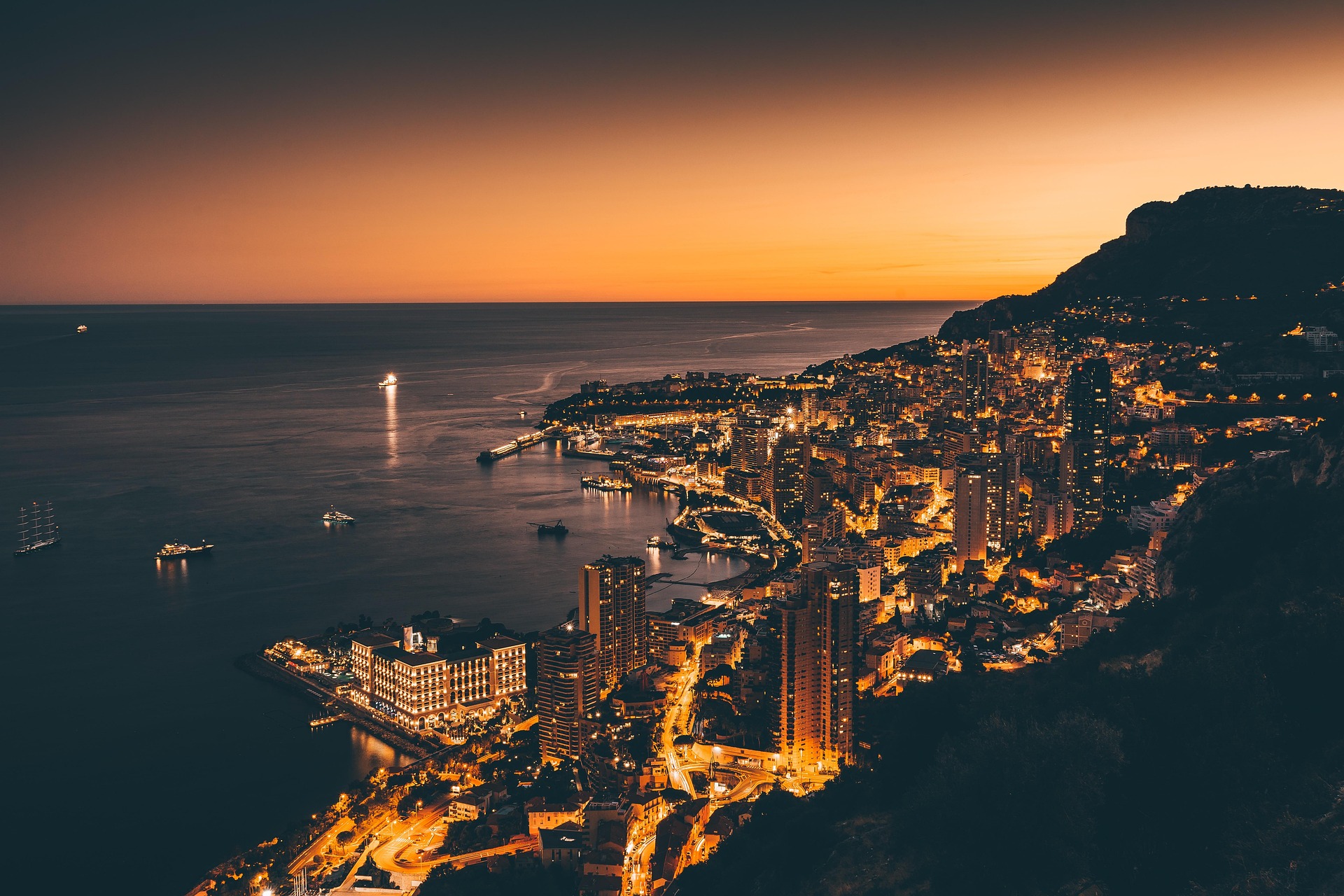
Monaco for the Discerning Visitor: Beyond the Casino
Monaco is easy to reduce to its casino and its supercars. The Principality the regulars know is quieter and more cultivated — a place of gardens, museums and rituals, all within a square kilometre or two.
The second-smallest country in the world packs an extraordinary amount into its terraced hillside, and the pleasure of knowing it well lies in moving past the obvious. Here is how to spend time in Monaco with a little more discernment. For where to stay, see our Monaco residences and Monaco concierge.
The old town and the rock
Monaco-Ville, the old town perched on its rock, is the Principality’s most atmospheric quarter — the Prince’s Palace and its changing of the guard, the cathedral where the Grimaldis lie, and a maze of narrow lanes that empty of day-trippers by evening. The Oceanographic Museum, clinging to the cliff face below, is among the finest in Europe; founded by Prince Albert I and once directed by Jacques Cousteau, it rewards a slow morning.
Gardens and quiet hours
For all its density, Monaco is surprisingly green. The Jardin Exotique with its succulents and cliffside cave, the serene Japanese Garden by the sea, and the Saint-Martin gardens along the rock offer the Principality at its calmest, with long views over the Mediterranean. They are the counterpoint to the harbour’s energy, and the best-kept of Monaco’s pleasures.
The Carré d’Or & the table
Around the Casino, the Carré d’Or is Monaco’s golden square — the great jewellers and fashion houses, the Hôtel de Paris and its legendary cellar, and the tables of Alain Ducasse’s Le Louis XV among the finest in France. This is where the Principality dresses up, and an evening here, properly arranged, is Monaco at its most polished.
The calendar
Monaco’s year is built around its events — opera and ballet at the Salle Garnier, the Rose Ball, the Monte-Carlo Masters tennis in April, the yacht show in September, and above all the Monaco Grand Prix in late May, when the streets become a circuit and the harbour a grandstand. Each is best experienced with hospitality arranged in advance — see our guides to watching the Grand Prix in style and chartering a yacht for it.
Arriving well, and where to stay
The Principality rewards a considered arrival — a residence in the Carré d’Or, a chauffeur, a table held, perhaps a yacht in Port Hercule, and the seven-minute helicopter transfer from Nice rather than the coastal traffic. For a calmer base nearby, Saint-Jean-Cap-Ferrat is twenty minutes away. See our Riviera overview to plan the wider stay.
Saint-Jean-Cap-Ferrat: The Riviera's Most Private Address
Between the energy of Nice and the glitter of Monaco lies a wooded peninsula that keeps to itself. Saint-Jean-Cap-Ferrat is the Riviera’s most private address — and it has stayed that way by design.
For more than a century the cape has been a retreat for those who could go anywhere and chose here — kings, writers and industrialists drawn by its seclusion and its astonishing blue water. It remains small, green and deeply discreet. Here is what gives it that quiet stature, and how to experience it. For the villas, see our Saint-Jean-Cap-Ferrat collection.
- The draw: exceptional privacy, grand estates, and the deepest blue water on the coast.
- To see: the Villa Ephrussi de Rothschild and its nine gardens; the coastal paths.
- Position: ~20 min to Monaco, ~25 to Nice and the airport.
- Best for: a calm, private base within easy reach of the eastern Riviera.
A peninsula of villas and gardens
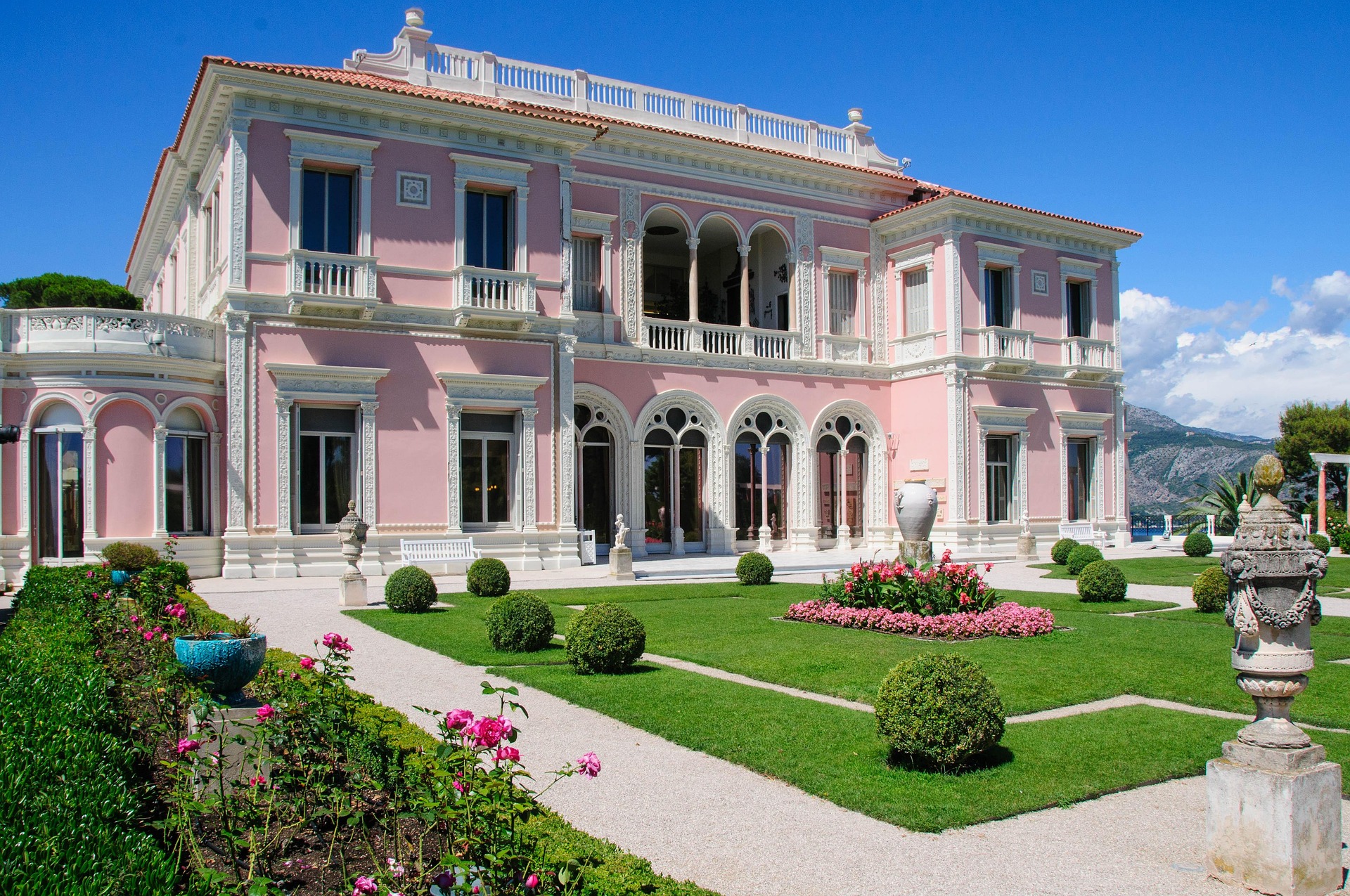
The cape is defined by its grand estates — neo-classical, contemporary and Belle Époque — set in mature gardens above deep blue water. The Villa Ephrussi de Rothschild, a rose-pink palazzo crowning the peninsula with nine themed gardens running down to the sea, is the public jewel and an essential visit. The rest of the cape is a study in discretion, its finest houses hidden behind walls and pines, many of them part of the coast’s off-market collection.
The coastal paths & the village
Footpaths trace almost the entire shoreline — the Sentier du Littoral around the southern tip, passing the lighthouse and a series of coves, and the gentler walk to the Plage de Passable, with its view across to Villefranche. They are the best way to understand the cape: slow, green and almost silent, with the sea on every side. At its centre, the small harbour and village offer a handful of good tables and the quiet pleasure of a place that has never tried to impress.
The grand hotels & the social cape
The legendary Grand-Hôtel du Cap-Ferrat, with its terraced gardens and clifftop pool, has anchored the cape’s social life for generations, and remains a benchmark of Riviera elegance. Beyond it, the peninsula keeps its pleasures private — a lunch at the harbour, a swim from the rocks, an afternoon in the gardens — rather than on display.
A base between two worlds
The cape’s position is part of its appeal. Monaco is twenty minutes one way, Nice and its airport twenty-five the other, and Villefranche-sur-Mer sits just along the coast. That makes it an ideal, calm retreat for those attending the Monaco Grand Prix or exploring the eastern Riviera — close to everything, yet a world away. It is a place to retreat to, not merely to pass through.
For the estates that never reach the open market, speak to us privately.
To plan a stay, begin with the cape’s villa collection or our wider French Riviera guide.
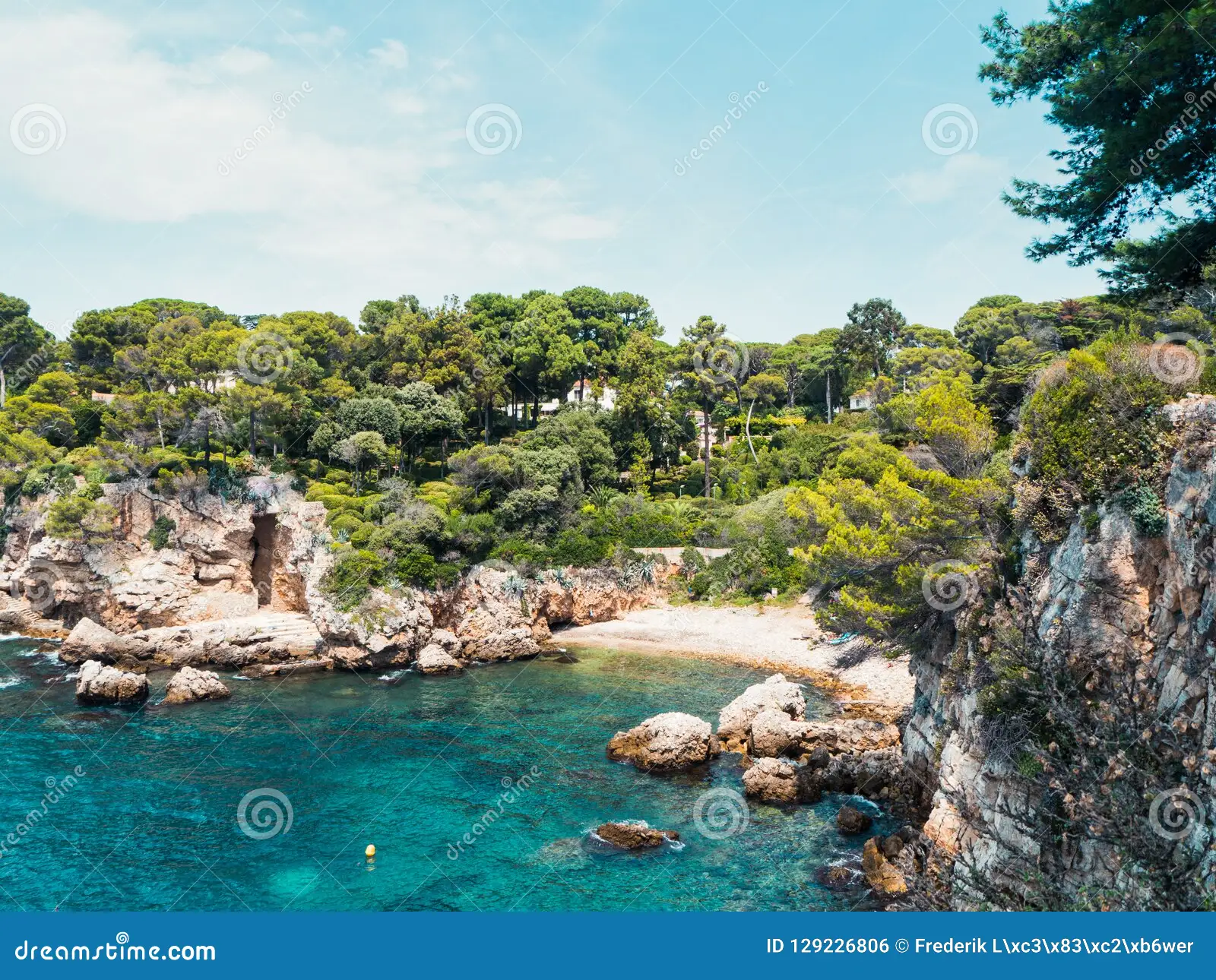
A Discreet Guide to Cap d'Antibes & the Baie des Milliardaires
Cap d’Antibes has drawn the discerning for more than a century, and it has never needed to raise its voice. The peninsula’s glamour is quiet, wooded and almost entirely private — which is exactly the point.
Jutting into the Mediterranean between Cannes and Nice, the cape is a world apart from the bustle of the coast around it: a green, residential peninsula of pine and parasol, where the grandest estates hide behind high walls and the sea is never far. This is a guide to its character, its walks and its waterfront. For the estates themselves, see our Cap d’Antibes villa collection.
The Baie des Milliardaires
The eastern shore of the cape is lined with waterfront estates of extraordinary value — the Baie des Milliardaires, the “billionaires’ bay.” Sheltered and discreet, it holds some of the most valuable private property in Europe. Most of these homes are held quietly, passed between families and rarely advertised; when one becomes available to rent, it is placed by introduction through a private concierge rather than listed online — the heart of the coast’s off-market world.
The coastal path & La Garoupe
The Sentier de Tirepoil follows the wild southern edge of the peninsula — rock, pine and open sea, with the gardens of the Villa Eilenroc at its end. It is among the most beautiful walks on the coast, and entirely free, a reminder that the cape’s greatest luxury is its restraint. On the eastern side, the Plage de la Garoupe — once raked smooth by the Murphys and their Jazz Age friends — and the lighthouse path above it remain part of the cape’s enduring ritual.
Eden-Roc and the old town
The Hôtel du Cap-Eden-Roc, with its pavilion and its pool carved into the rock in 1914, remains the peninsula’s grande dame and the backdrop to a century of Riviera legend. Just to the north, Antibes itself is among the coast’s most characterful towns — Port Vauban, the largest marina in Europe and home to the great superyachts; the ramparts and the covered Marché Provençal; and the Picasso museum in the Château Grimaldi, where the artist worked in 1946.
Juan-les-Pins & the jazz
On the cape’s western side, Juan-les-Pins brings a lighter, livelier note — pine-shaded beaches and, each July, the Jazz à Juan festival, one of the oldest in Europe, drawing the great names to an open-air stage under the umbrella pines. It is the cape’s social counterpoint to the silence of the Baie des Milliardaires.
A base for the coast
Cap d’Antibes sits between Cannes and Nice, with Nice airport around twenty to twenty-five minutes away. It pairs naturally with a day on the water; a yacht charter from Port Vauban reaches the Lérins islands in under an hour. For the full coastline, see our Riviera overview, or our guide to when to visit.
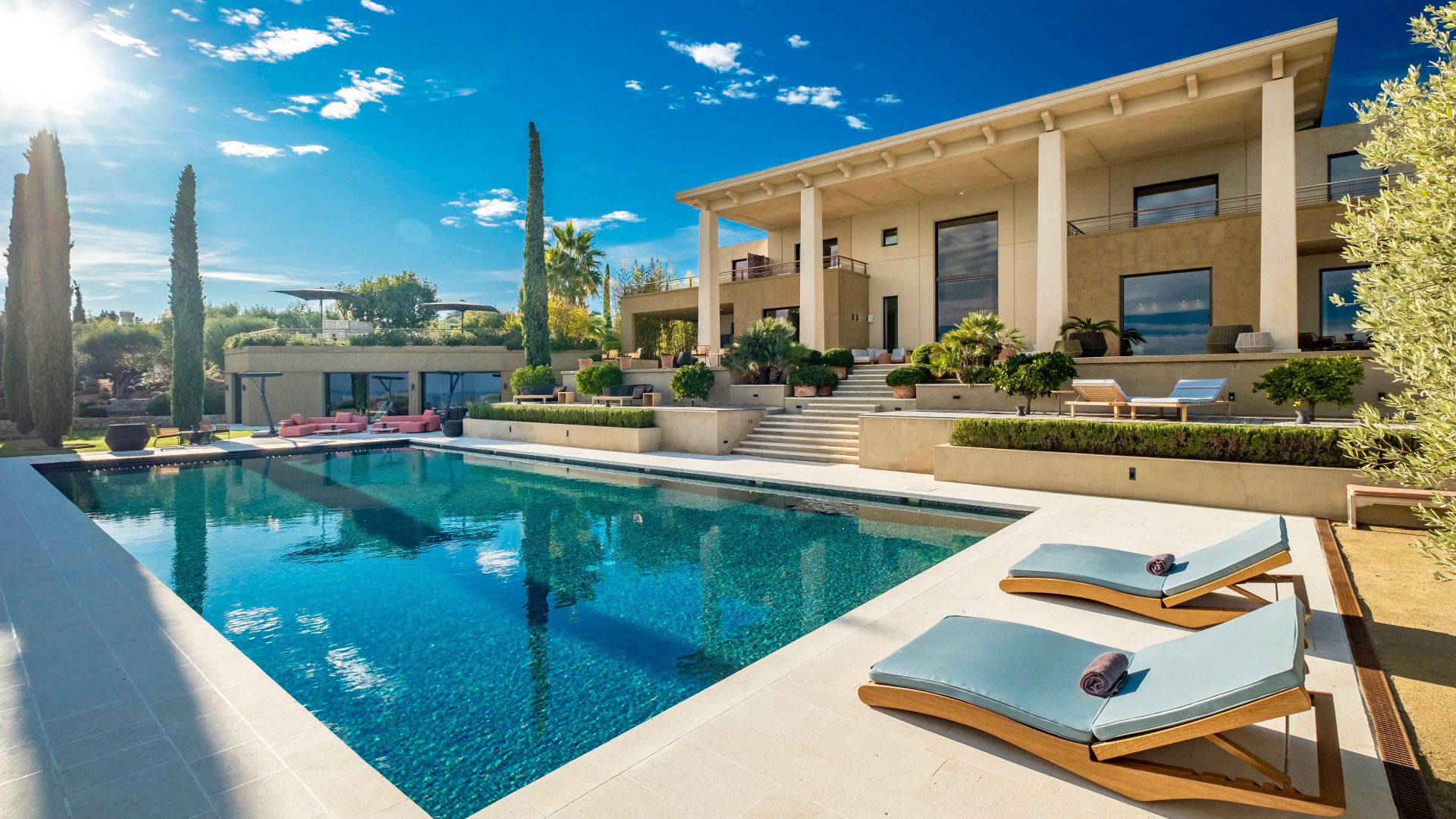
Cannes Neighbourhoods: Where to Stay for a Luxury Villa
In Cannes, the address shapes the stay. The same budget buys a very different week depending on whether you choose a sea-view villa in the hills, a residence near the Croisette, or the seclusion of Super Cannes.
Cannes is compact, but its character changes street by street — from the gated hillside estates that look down over the bay to the lively seafront below the Palais. Choosing the right quarter is the first and most consequential decision of any stay. This is an orientation to the neighbourhoods that matter and what each is best for; to see the houses themselves, visit the Cannes villa collection.
- La Californie — gated hillside estates, sea views, privacy with proximity.
- Super Cannes — higher, larger, quieter; the panorama above all.
- The Croisette & seafront — walk to everything; the festival address.
- Le Cannet — the old town above the city, calm and characterful.
La Californie
The most coveted of the Cannes hills, La Californie rises directly behind the Croisette — a district of gated estates, mature Mediterranean gardens and long views over the bay to the Estérel and the Lérins islands. Once the winter quarter of Europe’s aristocracy, it retains a stately, residential calm. It offers the rare combination of seclusion and proximity: minutes from the seafront by car, yet entirely private behind its walls. For most guests seeking a serviced villa with a pool and a view, this is the natural first choice.
Super Cannes
Higher still, on the hill of La Croix des Gardes and the heights to the east, Super Cannes rewards those who want the panorama and the quiet above all. The villas here are larger, the plots more generous, the gardens more expansive, and the sense of retreat complete — while the city remains a ten-minute drive below. It is the address for a stay built around the villa itself rather than the seafront.
The Croisette & the seafront
For guests who want to walk to dinner, the boutiques, the beach clubs and the Palais, a residence near the Croisette places everything at the doorstep. This is the address of choice during the Cannes Film Festival, when the streets are closed and proximity to the red carpet is worth more than any view — see our guide to renting a villa for the festival.
Le Cannet & the old town
Above the modern city, Le Cannet is the historic heart — a hillside of narrow lanes, the Bonnard museum, and a slower, more local rhythm. It suits those who want character and calm over the buzz of the seafront, with the centre still close at hand.
Beyond the city
Cannes is also one of the coast’s best bases. The hilltop village of Mougins and its celebrated restaurants are fifteen minutes inland; the marina and old town of Antibes, with the peninsula of Cap d’Antibes, lie just to the east; and Nice airport is around thirty minutes away. Offshore, the Lérins islands and the wider coast open up with a private charter.
How to choose
If you value privacy and a view, choose the hills; if you want to walk to everything, choose the seafront; if the festival is your reason for coming, choose proximity to the Palais and book early. A Cannes concierge will match the quarter to your party. For the full picture of the coastline, see our French Riviera overview.