


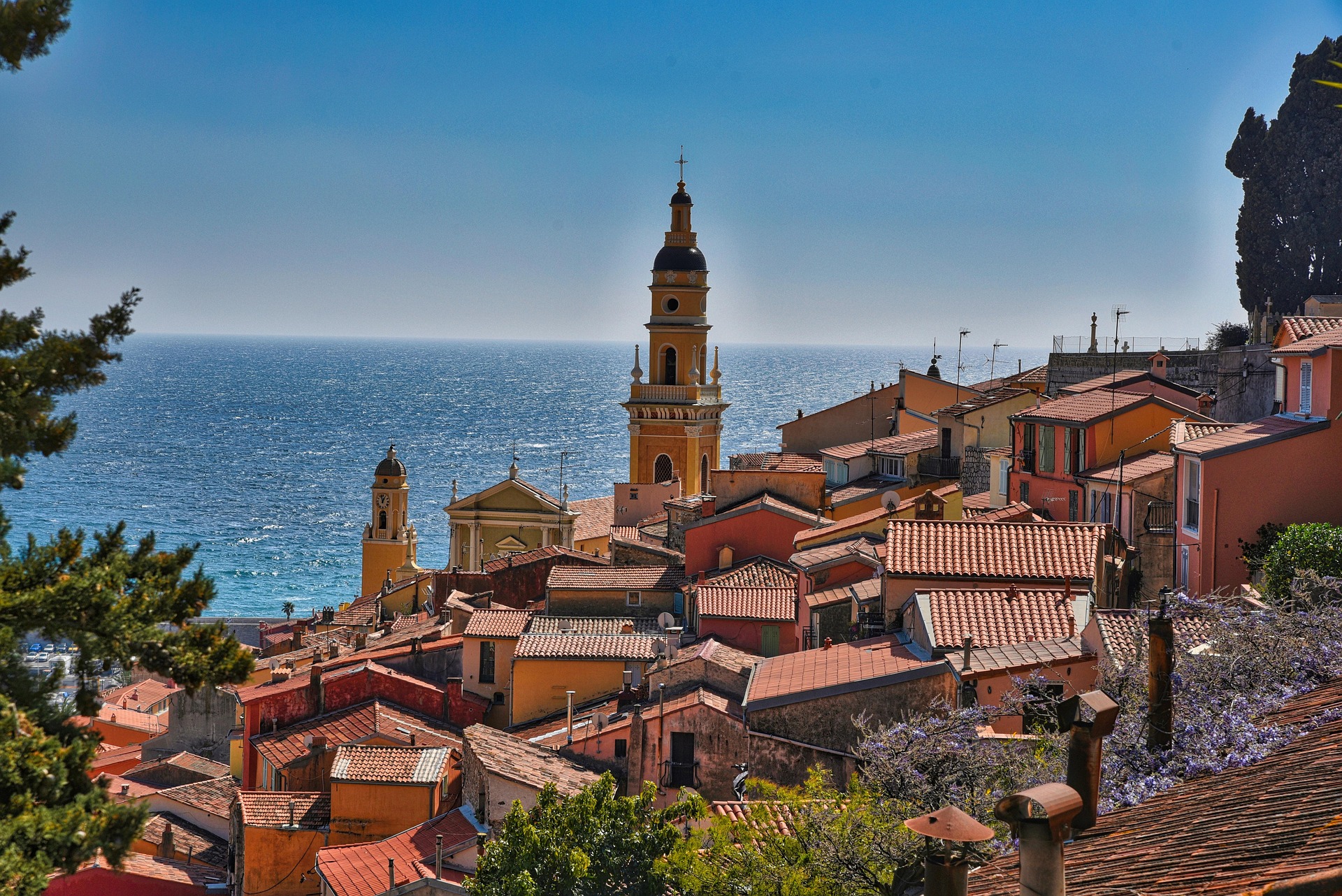
When to Visit the French Riviera: A Season-by-Season Guide
The French Riviera is not one place but several, depending on when you arrive. The same villa feels entirely different in the calm of June and the height of August — and the right season depends on the stay you have in mind.
The coast enjoys one of the kindest climates in Europe — mild, sunny and dry for much of the year — so the question is rarely whether to come, but when. Each season has its own character, its own events and its own value. Here is how the year unfolds.
- Spring (Apr–Jun): gardens, clear light, the great events; sea still warming.
- High summer (Jul–Aug): the coast at full voice — warmest, busiest, dearest.
- September: the connoisseur’s month — warm sea, golden light, fewer crowds.
- Autumn & winter: calm and characterful, with Monaco and the festive season.
Spring: April to early June
The gardens are at their best, the light is clear, and the coast is unhurried. The sea is warming rather than warm — comfortable for the hardy by late May — but the terraces are open and the great events fill the calendar: the Cannes Film Festival and the Monaco Grand Prix both fall in May, with the Monte-Carlo tennis in April. A fine moment for those who want the Riviera awake but not yet crowded — though event weeks themselves are the exception, and book like high season.
High summer: July and August
This is the coast at full voice — warm seas, long golden evenings, every beach club and harbour alive. Jazz à Juan brings the music to Antibes in July; the ports fill with yachts. It is also the busiest and most expensive period, when the finest villas are reserved a year ahead and the roads are at their slowest. A private villa, a chauffeur and a yacht charter are exactly what turn high summer from hectic to effortless.
The golden shoulder: September
For many regulars, September is the secret. The sea is at its warmest after a summer of heat, the light turns golden, the crowds thin, and rates ease. Les Voiles de Saint-Tropez fills the gulf with classic sailing yachts at month’s end. It is the connoisseur’s season — full Mediterranean conditions with room to breathe — and our preferred recommendation for a first visit.
Autumn and winter
October keeps much of September’s warmth with even greater calm, ideal for walking, culture and quiet coastlines. Beyond it the coast settles into a gentler rhythm, though Monaco and the festive season have a real glamour of their own, and the light through winter remains remarkable. A serviced villa with a private chef makes the cooler months genuinely comfortable.
Whenever you choose to come, begin with the villa collection and let us match the house to the season.

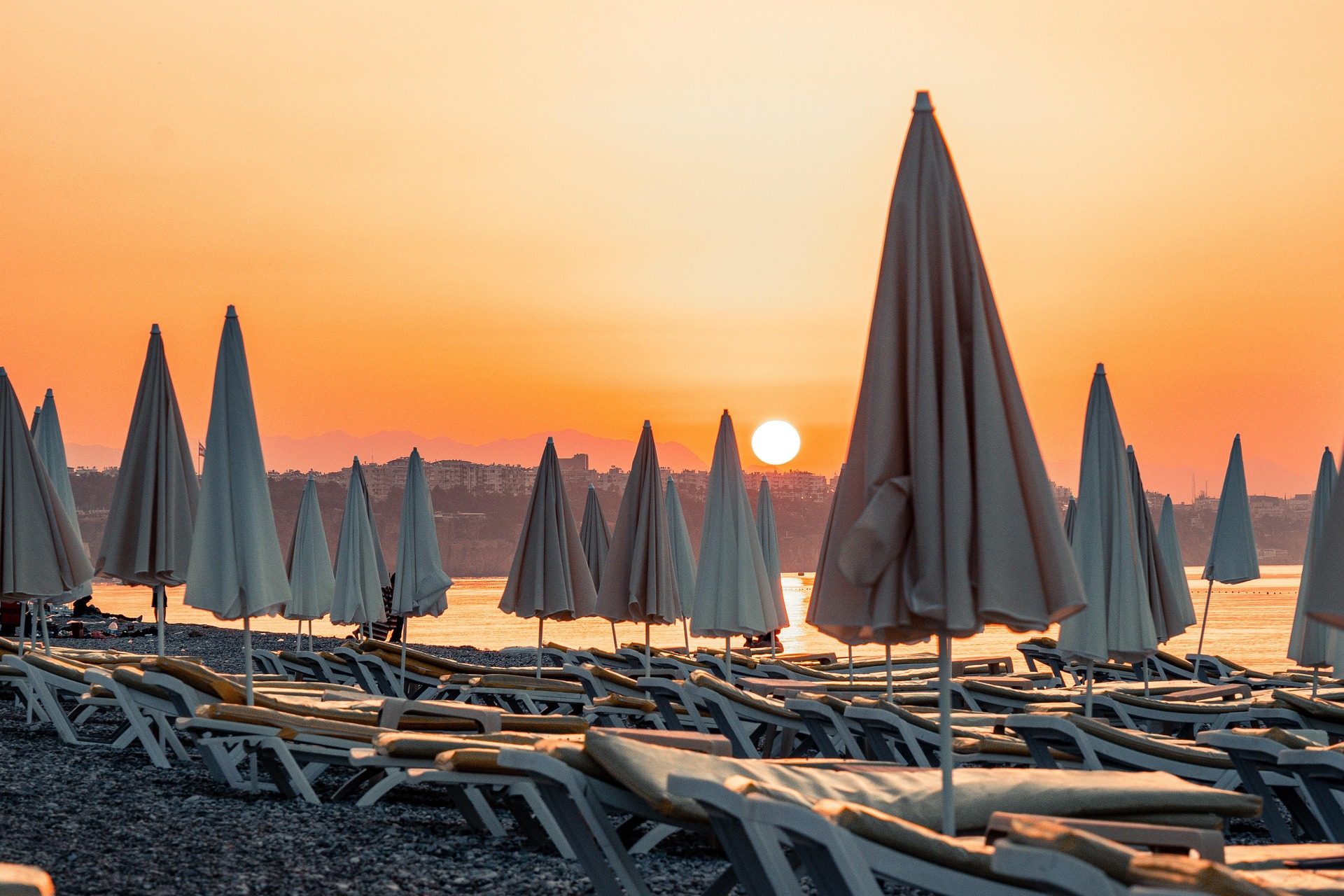
The Best Beach Clubs on the French Riviera
A Riviera summer is measured, in part, by its beach clubs. They set the rhythm of the day — a long lunch over the water, an afternoon in the sun, a tender back to the yacht. The art is in choosing well, and arriving without friction.
Each stretch of the coast has its own style of club, from the music and spectacle of Pampelonne to the pine-shaded calm of the eastern coves. Knowing which suits the mood of the day — and how to secure a place — is what separates a good beach day from a perfect one.
Pampelonne, Saint-Tropez
The five kilometres of Pampelonne hold the coast’s most storied clubs, each with a distinct character. The southern end, towards Ramatuelle, is the livelier — Champagne, music and long, sociable lunches that drift well into the afternoon. The northern stretch is gentler and more family-minded, made for shade and a good book. It remains the benchmark against which every other beach on the coast is measured, and in season the prime sun-beds are spoken for well ahead. See our Saint-Tropez guide for the surrounding stay.
Cannes and the Croisette
The clubs lining the Croisette are elegant and effortless — a short walk from the boutiques and the grand hotels, ideal for a refined lunch between other plans, with the bay and the Estérel in view. During the film festival they become the daytime centre of gravity, where deals are done and the evening’s plans are made.
Cap d’Antibes and the eastern coves
For something quieter, the clubs around Cap d’Antibes, Eden-Roc and the eastern coves towards Beaulieu trade spectacle for serenity — clear, deep water, pine shade and a slower, more discreet pace. They are the choice of those who have seen the busier beaches and prefer the calm, and many are loveliest reached from the sea.
The clubs reached by sea
The finest way to use the coast’s beach clubs is often by water — arriving by tender from a chartered yacht, lunching ashore, then slipping out to a quiet anchorage for the afternoon. A day cruise can string several together, turning the whole shoreline into your own.
Arriving the right way
The difference between a good beach day and a seamless one is logistics — a sun-bed reserved in the right row, a table held at the right hour, a car or a tender at the right moment. In high season the leading clubs are booked days ahead and the best loungers far sooner. A private concierge arranges all of it as a single, effortless plan — often securing access where direct booking is no longer possible.
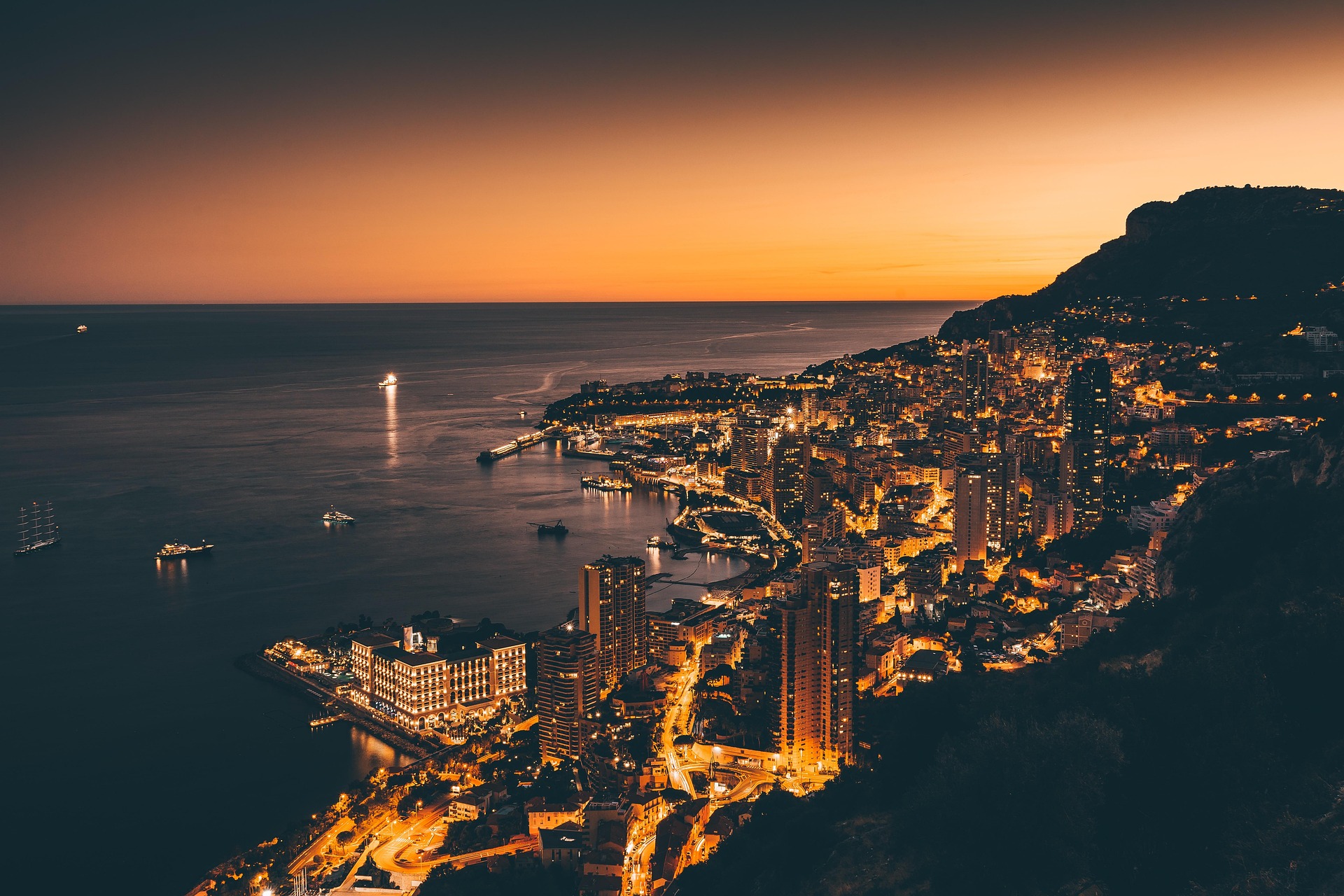
Monaco for the Discerning Visitor: Beyond the Casino
Monaco is easy to reduce to its casino and its supercars. The Principality the regulars know is quieter and more cultivated — a place of gardens, museums and rituals, all within a square kilometre or two.
The second-smallest country in the world packs an extraordinary amount into its terraced hillside, and the pleasure of knowing it well lies in moving past the obvious. Here is how to spend time in Monaco with a little more discernment. For where to stay, see our Monaco residences and Monaco concierge.
The old town and the rock
Monaco-Ville, the old town perched on its rock, is the Principality’s most atmospheric quarter — the Prince’s Palace and its changing of the guard, the cathedral where the Grimaldis lie, and a maze of narrow lanes that empty of day-trippers by evening. The Oceanographic Museum, clinging to the cliff face below, is among the finest in Europe; founded by Prince Albert I and once directed by Jacques Cousteau, it rewards a slow morning.
Gardens and quiet hours
For all its density, Monaco is surprisingly green. The Jardin Exotique with its succulents and cliffside cave, the serene Japanese Garden by the sea, and the Saint-Martin gardens along the rock offer the Principality at its calmest, with long views over the Mediterranean. They are the counterpoint to the harbour’s energy, and the best-kept of Monaco’s pleasures.
The Carré d’Or & the table
Around the Casino, the Carré d’Or is Monaco’s golden square — the great jewellers and fashion houses, the Hôtel de Paris and its legendary cellar, and the tables of Alain Ducasse’s Le Louis XV among the finest in France. This is where the Principality dresses up, and an evening here, properly arranged, is Monaco at its most polished.
The calendar
Monaco’s year is built around its events — opera and ballet at the Salle Garnier, the Rose Ball, the Monte-Carlo Masters tennis in April, the yacht show in September, and above all the Monaco Grand Prix in late May, when the streets become a circuit and the harbour a grandstand. Each is best experienced with hospitality arranged in advance — see our guides to watching the Grand Prix in style and chartering a yacht for it.
Arriving well, and where to stay
The Principality rewards a considered arrival — a residence in the Carré d’Or, a chauffeur, a table held, perhaps a yacht in Port Hercule, and the seven-minute helicopter transfer from Nice rather than the coastal traffic. For a calmer base nearby, Saint-Jean-Cap-Ferrat is twenty minutes away. See our Riviera overview to plan the wider stay.
A Discreet Guide to Cap d'Antibes & the Baie des Milliardaires
Cap d’Antibes has drawn the discerning for more than a century, and it has never needed to raise its voice. The peninsula’s glamour is quiet, wooded and almost entirely private — which is exactly the point.
Jutting into the Mediterranean between Cannes and Nice, the cape is a world apart from the bustle of the coast around it: a green, residential peninsula of pine and parasol, where the grandest estates hide behind high walls and the sea is never far. This is a guide to its character, its walks and its waterfront. For the estates themselves, see our Cap d’Antibes villa collection.
The Baie des Milliardaires
The eastern shore of the cape is lined with waterfront estates of extraordinary value — the Baie des Milliardaires, the “billionaires’ bay.” Sheltered and discreet, it holds some of the most valuable private property in Europe. Most of these homes are held quietly, passed between families and rarely advertised; when one becomes available to rent, it is placed by introduction through a private concierge rather than listed online — the heart of the coast’s off-market world.
The coastal path & La Garoupe
The Sentier de Tirepoil follows the wild southern edge of the peninsula — rock, pine and open sea, with the gardens of the Villa Eilenroc at its end. It is among the most beautiful walks on the coast, and entirely free, a reminder that the cape’s greatest luxury is its restraint. On the eastern side, the Plage de la Garoupe — once raked smooth by the Murphys and their Jazz Age friends — and the lighthouse path above it remain part of the cape’s enduring ritual.
Eden-Roc and the old town
The Hôtel du Cap-Eden-Roc, with its pavilion and its pool carved into the rock in 1914, remains the peninsula’s grande dame and the backdrop to a century of Riviera legend. Just to the north, Antibes itself is among the coast’s most characterful towns — Port Vauban, the largest marina in Europe and home to the great superyachts; the ramparts and the covered Marché Provençal; and the Picasso museum in the Château Grimaldi, where the artist worked in 1946.
Juan-les-Pins & the jazz
On the cape’s western side, Juan-les-Pins brings a lighter, livelier note — pine-shaded beaches and, each July, the Jazz à Juan festival, one of the oldest in Europe, drawing the great names to an open-air stage under the umbrella pines. It is the cape’s social counterpoint to the silence of the Baie des Milliardaires.
A base for the coast
Cap d’Antibes sits between Cannes and Nice, with Nice airport around twenty to twenty-five minutes away. It pairs naturally with a day on the water; a yacht charter from Port Vauban reaches the Lérins islands in under an hour. For the full coastline, see our Riviera overview, or our guide to when to visit.
Saint-Jean-Cap-Ferrat: The Riviera's Most Private Address
Between the energy of Nice and the glitter of Monaco lies a wooded peninsula that keeps to itself. Saint-Jean-Cap-Ferrat is the Riviera’s most private address — and it has stayed that way by design.
For more than a century the cape has been a retreat for those who could go anywhere and chose here — kings, writers and industrialists drawn by its seclusion and its astonishing blue water. It remains small, green and deeply discreet. Here is what gives it that quiet stature, and how to experience it. For the villas, see our Saint-Jean-Cap-Ferrat collection.
- The draw: exceptional privacy, grand estates, and the deepest blue water on the coast.
- To see: the Villa Ephrussi de Rothschild and its nine gardens; the coastal paths.
- Position: ~20 min to Monaco, ~25 to Nice and the airport.
- Best for: a calm, private base within easy reach of the eastern Riviera.
A peninsula of villas and gardens
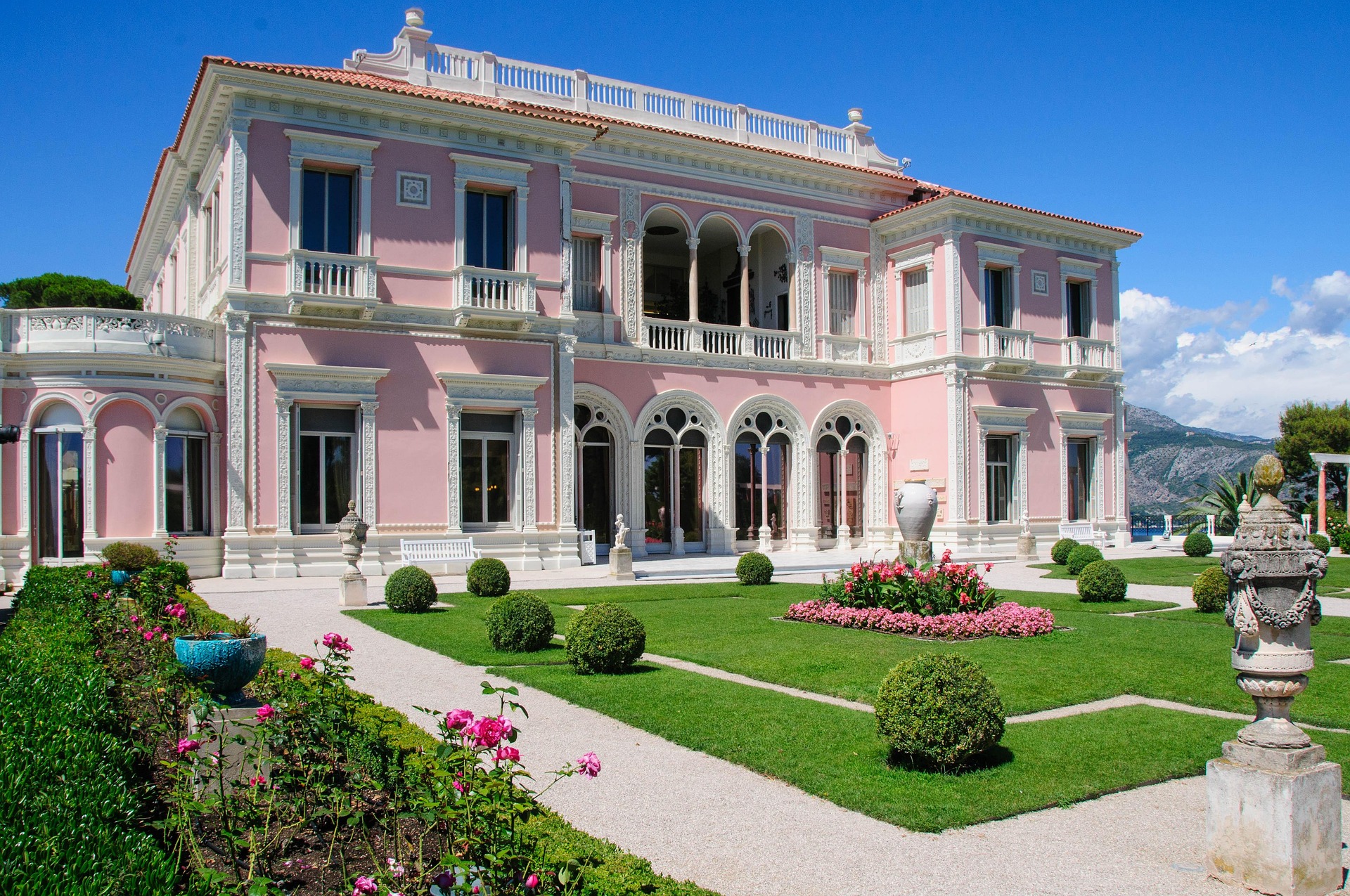
The cape is defined by its grand estates — neo-classical, contemporary and Belle Époque — set in mature gardens above deep blue water. The Villa Ephrussi de Rothschild, a rose-pink palazzo crowning the peninsula with nine themed gardens running down to the sea, is the public jewel and an essential visit. The rest of the cape is a study in discretion, its finest houses hidden behind walls and pines, many of them part of the coast’s off-market collection.
The coastal paths & the village
Footpaths trace almost the entire shoreline — the Sentier du Littoral around the southern tip, passing the lighthouse and a series of coves, and the gentler walk to the Plage de Passable, with its view across to Villefranche. They are the best way to understand the cape: slow, green and almost silent, with the sea on every side. At its centre, the small harbour and village offer a handful of good tables and the quiet pleasure of a place that has never tried to impress.
The grand hotels & the social cape
The legendary Grand-Hôtel du Cap-Ferrat, with its terraced gardens and clifftop pool, has anchored the cape’s social life for generations, and remains a benchmark of Riviera elegance. Beyond it, the peninsula keeps its pleasures private — a lunch at the harbour, a swim from the rocks, an afternoon in the gardens — rather than on display.
A base between two worlds
The cape’s position is part of its appeal. Monaco is twenty minutes one way, Nice and its airport twenty-five the other, and Villefranche-sur-Mer sits just along the coast. That makes it an ideal, calm retreat for those attending the Monaco Grand Prix or exploring the eastern Riviera — close to everything, yet a world away. It is a place to retreat to, not merely to pass through.
For the estates that never reach the open market, speak to us privately.
To plan a stay, begin with the cape’s villa collection or our wider French Riviera guide.
Cannes Neighbourhoods: Where to Stay for a Luxury Villa
In Cannes, the address shapes the stay. The same budget buys a very different week depending on whether you choose a sea-view villa in the hills, a residence near the Croisette, or the seclusion of Super Cannes.
Cannes is compact, but its character changes street by street — from the gated hillside estates that look down over the bay to the lively seafront below the Palais. Choosing the right quarter is the first and most consequential decision of any stay. This is an orientation to the neighbourhoods that matter and what each is best for; to see the houses themselves, visit the Cannes villa collection.
- La Californie — gated hillside estates, sea views, privacy with proximity.
- Super Cannes — higher, larger, quieter; the panorama above all.
- The Croisette & seafront — walk to everything; the festival address.
- Le Cannet — the old town above the city, calm and characterful.
La Californie
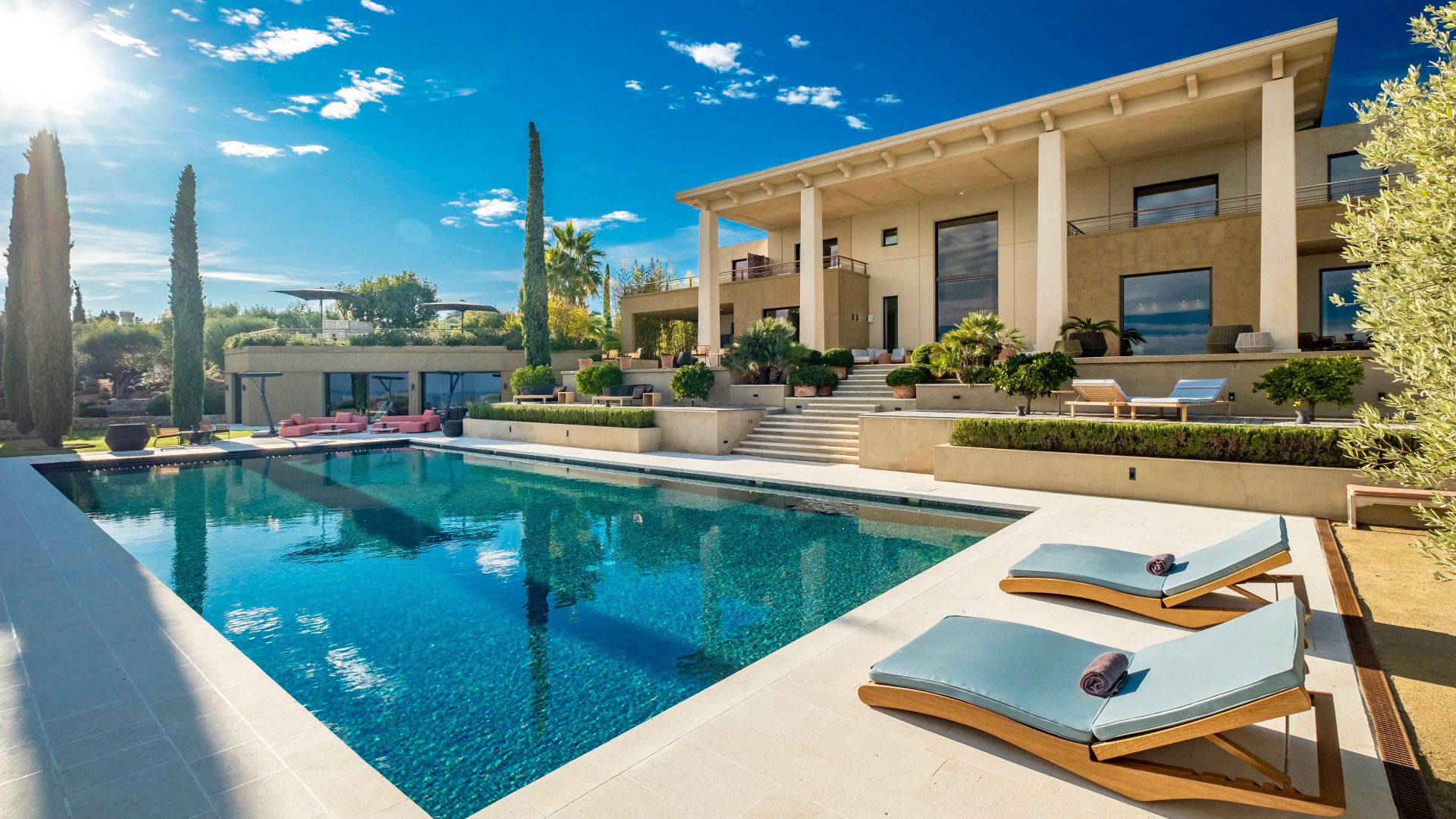
The most coveted of the Cannes hills, La Californie rises directly behind the Croisette — a district of gated estates, mature Mediterranean gardens and long views over the bay to the Estérel and the Lérins islands. Once the winter quarter of Europe’s aristocracy, it retains a stately, residential calm. It offers the rare combination of seclusion and proximity: minutes from the seafront by car, yet entirely private behind its walls. For most guests seeking a serviced villa with a pool and a view, this is the natural first choice.
Super Cannes
Higher still, on the hill of La Croix des Gardes and the heights to the east, Super Cannes rewards those who want the panorama and the quiet above all. The villas here are larger, the plots more generous, the gardens more expansive, and the sense of retreat complete — while the city remains a ten-minute drive below. It is the address for a stay built around the villa itself rather than the seafront.
The Croisette & the seafront
For guests who want to walk to dinner, the boutiques, the beach clubs and the Palais, a residence near the Croisette places everything at the doorstep. This is the address of choice during the Cannes Film Festival, when the streets are closed and proximity to the red carpet is worth more than any view — see our guide to renting a villa for the festival.
Le Cannet & the old town
Above the modern city, Le Cannet is the historic heart — a hillside of narrow lanes, the Bonnard museum, and a slower, more local rhythm. It suits those who want character and calm over the buzz of the seafront, with the centre still close at hand.
Beyond the city
Cannes is also one of the coast’s best bases. The hilltop village of Mougins and its celebrated restaurants are fifteen minutes inland; the marina and old town of Antibes, with the peninsula of Cap d’Antibes, lie just to the east; and Nice airport is around thirty minutes away. Offshore, the Lérins islands and the wider coast open up with a private charter.
How to choose
If you value privacy and a view, choose the hills; if you want to walk to everything, choose the seafront; if the festival is your reason for coming, choose proximity to the Palais and book early. A Cannes concierge will match the quarter to your party. For the full picture of the coastline, see our French Riviera overview.
The Best Things to Do in Saint-Tropez (2026 Insider Guide)
Saint-Tropez rewards those who look past the harbour. The yachts and the early-evening crowds are real enough, but the village keeps its finest hours for guests who know where, and when, to go.
What follows is not a checklist but a way to spend a few unhurried days — the beaches, the tables, the vineyards and the morning rituals that give the place its character. Saint-Tropez began as a fishing village, became the haunt of painters and then of film, and has somehow kept all three identities at once. The art of the place is moving between them at your own pace. For where to base yourself, see our guide to renting a villa in Saint-Tropez.
- Mornings: the Place des Lices market (Tuesday & Saturday), the old port at first light, the Annonciade museum.
- Days: the beach clubs of Pampelonne, or a quiet cove reached by tender.
- Inland: the hilltop villages of Gassin and Ramatuelle, and the vineyards of the peninsula.
- Best months: May, June and September for warmth without the high-summer density.
Begin with the morning
The Place des Lices market, held on Tuesday and Saturday, is the village at its most genuine — Provençal produce, olives and tapenade, linen, old prints, and a coffee under the plane trees before the day warms. It is also where a private chef shops for the evening, and going along is half the pleasure.
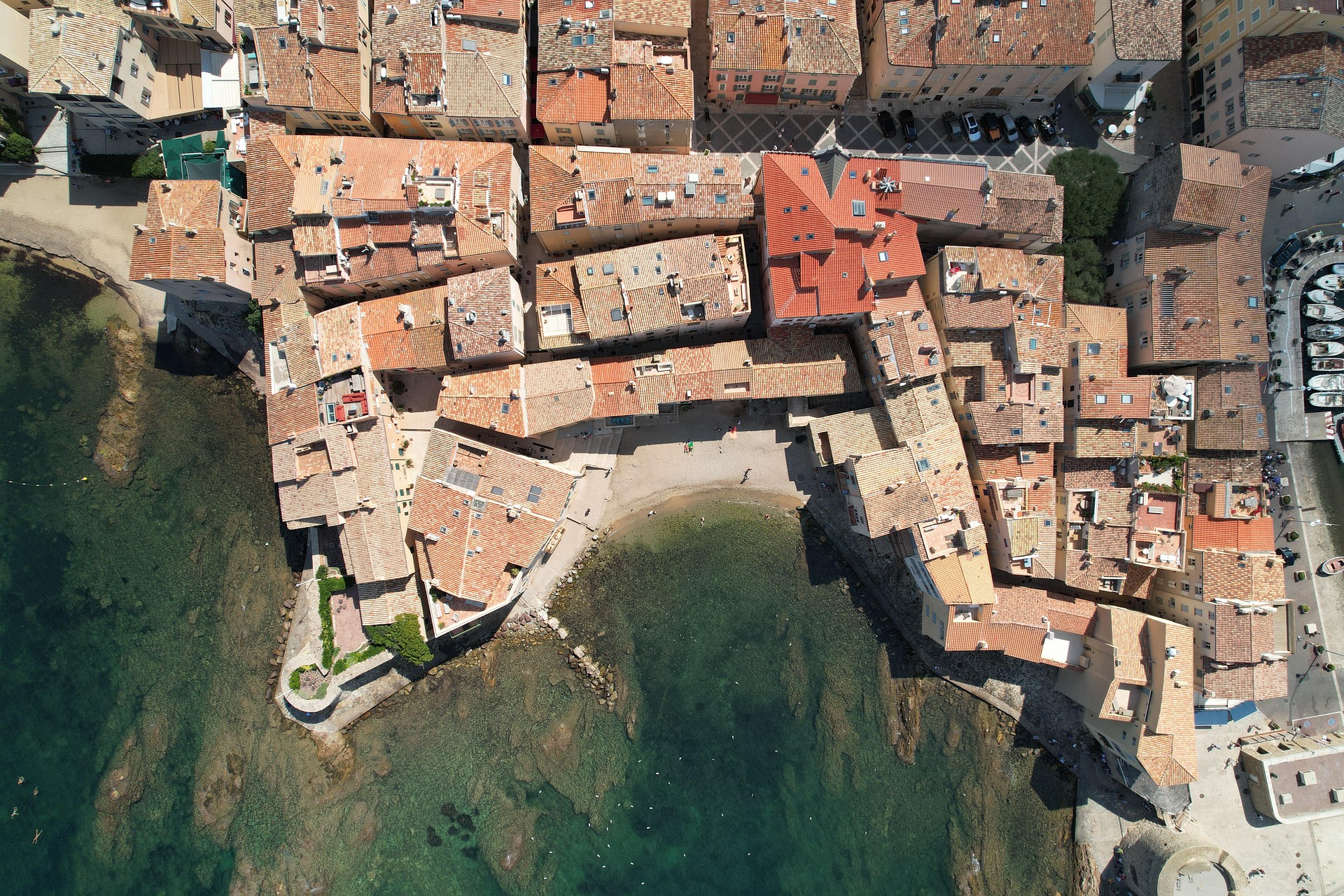
Afterwards, walk down to the Vieux Port while the light is still soft and the quay belongs to the painters rather than the crowds. Climb to the Citadelle for the view back over the rooftops and the gulf, then lose an hour in the Musée de l’Annonciade, set in a former chapel by the harbour. Its collection of Signac, Bonnard, Matisse and Derain is exceptional — and a reminder that these artists came here for exactly the light now falling on your terrace.
The beaches of Pampelonne
Pampelonne is nearly five kilometres of sand, and its character changes club by club. The southern end, towards Ramatuelle, tends to be livelier — music, long sociable lunches, a steady parade of tenders coming ashore. The northern stretch is quieter and more family-minded. The art is in choosing the right one for the mood of the day and arriving without friction: a sun-bed reserved, a table held, a car or a tender waiting.
This is precisely the kind of detail a private concierge arranges before you have finished breakfast. And for those who prefer to avoid the clubs altogether, the same boat that drops you for lunch can carry you on to an empty cove around the cap — see our guide to the coast’s best beach clubs.
Vineyards and the hilltop villages
Inland, the peninsula softens into vineyards and umbrella pines, and the pace drops by half. Gassin, one of the officially designated “most beautiful villages in France,” sits on a ridge with a long view to the sea; neighbouring Ramatuelle is a tangle of lanes that empties into a handful of excellent tables. Between them lie the Côtes de Provence estates, where a private tasting of the pale, dry rosé that defines this coast is an afternoon well spent.
It is a different Saint-Tropez entirely from the harbour — slower, greener, almost rural — and the best antidote to a busy morning in the village.
A day on the water
No stay here is complete without time at sea. A yacht charter follows the peninsula past Pampelonne to quiet anchorages beyond, with a swim before lunch and the village skyline on the way home. Even a single day cruise reframes the whole holiday — the coast looks entirely different from the deck. It is, for many guests, the day they remember most.
Tell us how you like to spend a day, and we will compose the rest.
The table
Dining in Saint-Tropez runs from Michelin rooms to a grilled fish at a port-side institution, and from beach-club lunches that drift into the afternoon to a quiet bistro in Ramatuelle. The harbour restaurants are as much about the passing scene as the plate; the inland villages, about the food itself.
The most memorable meals, though, are often the ones taken at the villa — a private chef cooking the morning’s market, served on a terrace above the bay, with no reservation to keep and no drive home. It is the quiet luxury that regular visitors come to value above any table in town.
When to come, and where to stay
May, June and September offer the warmth of the season without the density of high summer; July and August are at their most vivid but also their busiest, when a private villa and a chauffeur are what keep the days effortless. As for the base itself, the choice ranges from gated estates in Les Parcs minutes from the village to waterfront bastides on the Canoubiers bay and hilltop villas above the vineyards — see the Saint-Tropez villa collection and our full guide to renting a villa here.
When you are ready to plan, begin with the Saint-Tropez collection, or read our guide to the wider French Riviera.